

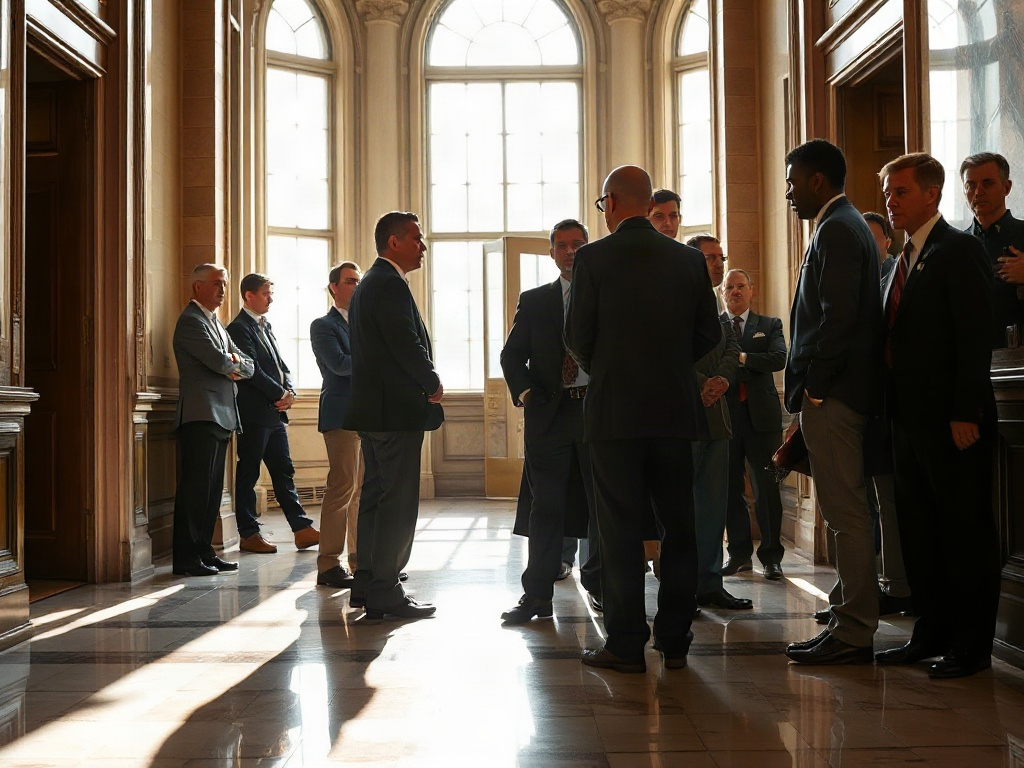
Arizona lawmakers face renewed pressure over the state’s minimum wage increase, set to rise to $15.65 on Jan. 1

Arizona lawmakers faced renewed pressure over the state’s minimum wage increase to $15.65 per hour, set to take effect Jan. 1, 2027. The rise, announced by the Industrial Commission of Arizona, results from inflation indexing mandated by Proposition 206, a 2006 voter-approved law requiring annual adjustments based on the Consumer Price Index.
This 50-cent rise results from the automatic annual adjustment formula mandated by Proposition 206, the 2006 voter-approved Fair Wages and Healthy Families Act, which requires minimum wage increases to be indexed to inflation based on the Consumer Price Index (CPI). The new rate reflects a 51.5-cent increase calculated from August-over-August CPI data, rounded to the nearest nickel as required by state law, according to the ICA’s official bulletin.
The Industrial Commission of Arizona announced that the state’s minimum wage will increase from $15.15 to $15.65 per hour effective Jan. 1, 2027.
Arizona’s minimum wage has steadily risen under the voter-approved statute, which limits lawmakers’ discretion over the wage-setting process. The law directs the ICA to use CPI data published by the U.S. Bureau of Labor Statistics to determine the annual adjustment, a process that lawmakers cannot override without a new voter initiative or a legally consistent amendment, according to legal experts and commission officials. The current $15.15 rate took effect on Jan. 1, 2026, marking the first time the statewide minimum wage surpassed $15.
Business groups and some legislators have expressed concerns about the ongoing inflation-driven increases, including the upcoming $15.65 rate, citing cost pressures on small employers. Advocacy organizations representing small businesses have previously criticized the jump to $15.15, framing it as part of a trend that will continue with the 2027 adjustment and urging lawmakers to pursue reforms. Employer-oriented publications describe the annual hikes as a “compliance challenge,” emphasizing the cumulative impact on labor costs and competitiveness, sources confirmed. Some political debate has focused on whether lawmakers should seek to modify the CPI formula or impose caps on future increases, although any such changes face significant legal and political hurdles due to the voter-approved nature of the law.
Worker advocates counter that the inflation-indexed design is essential to maintain the purchasing power of low-wage workers amid rising living costs. They argue that the automatic adjustments protect real wages from erosion, a position supported by economic analyses of the CPI-based mechanism. The scheduled increase to $15.65 is viewed by these groups as a necessary step to keep pace with inflation, according to statements from labor organizations.
Arizona’s minimum wage is notably higher than the federal rate and places the state among the jurisdictions with elevated wage floors nationally. Local minimum wages in cities such as Flagstaff and Tucson already exceed the state minimum, with Flagstaff’s rate at $18.35 and Tucson’s at $15.45 for 2026, creating layered wage requirements for employers operating in those areas. For tipped employees, the cash minimum wage is $12.15 per hour in 2026, with a tip credit of up to $3.00 where permitted; adjustments to the overall minimum wage will also affect tipped wage calculations, according to payroll compliance advisories.
Employers are required to pay the new minimum wage for all hours worked on or after Jan. 1, 2027, and must update payroll systems, employee handbooks, and workplace postings accordingly to ensure compliance, officials said. The ICA maintains enforcement authority under the Fair Wages and Healthy Families Act, including investigating complaints and imposing penalties for violations. Employers operating across jurisdictions must track and apply the highest applicable minimum wage, whether state or local, to avoid liability.
Economic commentary notes that the inflation-linked increases, including the upcoming $15.65 rate, may influence employment patterns, pricing decisions, and competitiveness relative to neighboring states with lower minimum wages. The scheduled adjustment represents roughly a 3% increase from the current $15.15 rate, consistent with recent CPI trends.
The Industrial Commission of Arizona is expected to publish official notices and guidance ahead of the Jan. 1 effective date, following the pattern established in previous years. Any legislative attempts to alter the CPI-indexing mechanism or the voter-approved framework would likely require voter approval or face legal challenges, according to legal analysts. The upcoming minimum wage increase continues the state’s inflation-indexed trajectory established by Proposition 206, with future annual adjustments anticipated unless the law is amended or replaced by voters.


Comments are closed.