

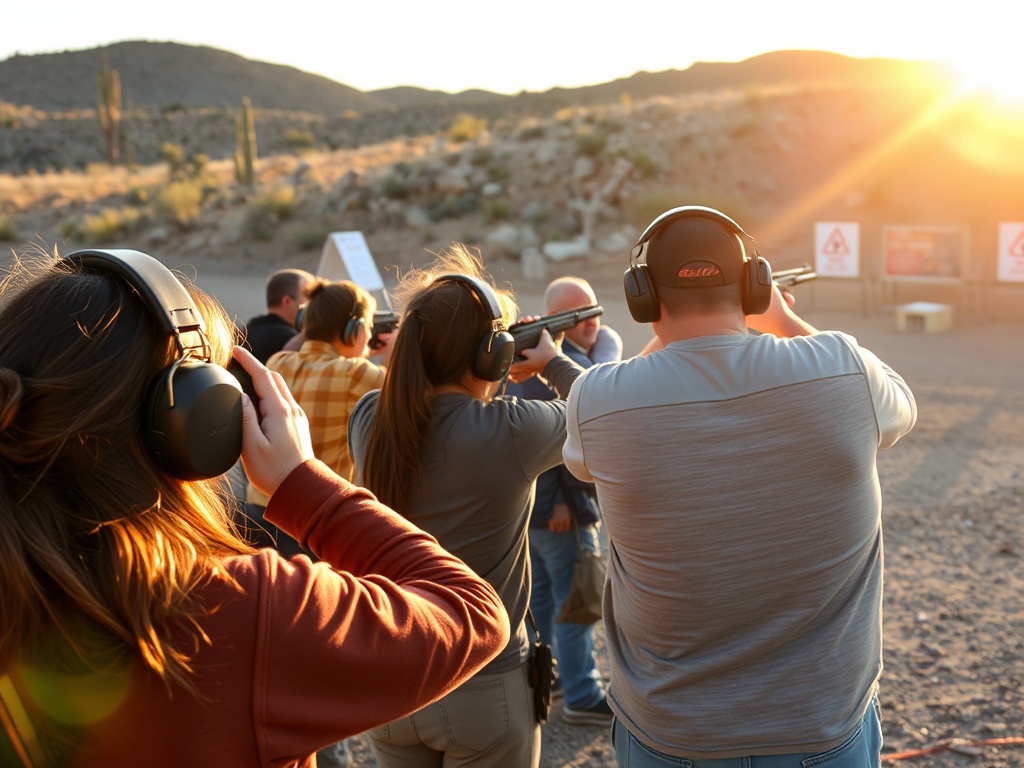

Arizona Rep. Selina Bliss introduced a bill in January 2026 to strengthen protections for state-owned public shooting ranges, including facilities overseen by the Arizona Game and Fish Commission. The legislation requires the Arizona Legislature to approve any closure of qualifying ranges, aiming to prevent unapproved or “quiet” shutdowns, supporters said.
The bill, introduced as HB 2763, amends Arizona Revised Statutes § 17‑621 to require a joint resolution of the Arizona Legislature before any qualifying state-owned shooting range can be closed. This means both the House and Senate must formally approve the closure, adding a legislative veto layer to the current administrative process, according to legislative records and advocacy group analyses.
The legislation specifically targets ranges overseen by the Arizona Game and Fish Commission, including major public facilities such as the Ben Avery Shooting Facility in Phoenix, which serves recreational shooters, competitive events, hunter education, and law enforcement training needs statewide.
Supporters of the bill, including the Sportsmen’s Alliance and other hunting and shooting organizations, argue that the measure is designed to prevent “quiet closures” of public shooting ranges without public input or legislative oversight. Advocacy materials state that HB 2763 mandates public hearings in Arizona’s most populous counties before any closure decision, requiring the Arizona Game and Fish Department to present and defend closure plans in a public forum. This process would allow local shooters, hunting groups, and nearby residents to submit testimony and comments, ensuring transparency and compliance with existing open-meeting and public-notice laws, supporters said.
The proposed changes would also require a unanimous vote by the Arizona Game and Fish Commission and an executive order from the governor before a closure could proceed, creating multiple veto points and replacing administrative discretion with a multi-branch public process. According to advocacy groups, these safeguards aim to keep long-established public ranges open unless there is overwhelming public and political consensus for closure.
Arizona’s current statutory framework already includes protections and regulations affecting shooting ranges. For example, “Shannon’s Law” (A.R.S. § 13‑3107) classifies unlawful discharge of a firearm within municipal limits as a class 6 felony but exempts properly supervised ranges. Other statutes, such as A.R.S. § 17‑604, restrict nighttime operations of outdoor shooting ranges in residential or sensitive zones, barring operations between 10 p.m. and 7 a.m. except for law enforcement, military, or armed nuclear security guard training. Facilities using these exemptions must provide quarterly public notices within one mile of range boundaries and comply with noise standards under A.R.S. § 17‑602, according to state regulatory documents.
The Ben Avery Shooting Facility, one of the largest public shooting facilities in the United States, exemplifies the types of state-owned ranges that would be protected under the new legislation. Operated by the Arizona Game and Fish Department, Ben Avery offers multiple rifle and pistol ranges, shotgun fields, and archery facilities. Supporters contend that closing such facilities would undermine hunter recruitment, firearm safety training, and law enforcement qualification programs critical to Arizona’s shooting sports infrastructure.
Federal and local rules also play a role in the broader protection framework for shooting ranges in Arizona. The Bureau of Land Management (BLM) operates several public recreational shooting sites in the state, including the Church Camp Road Recreational Shooting Site near Phoenix, which provide federally managed alternatives to state-owned ranges. At the county level, Pima County and others enforce shooting range rules governing safety procedures and user conduct, complementing state laws that exempt properly supervised ranges from unlawful discharge provisions.
Private and commercial shooting ranges in Arizona typically follow formal range-safety protocols, including mandatory eye and ear protection and clear firing-line commands, reflecting widely accepted safety standards. Together, these layers of state statutes, federal-land policies, and local regulations create a regulatory environment that balances safety and access while increasingly protecting ranges from arbitrary closure, according to state officials and advocacy groups.
Opponents of the bill, cited in legislative discussions, have raised concerns about noise, nearby development, and land-use conflicts. They argue that strengthened range-protection statutes could limit local governments’ flexibility to address future growth and community complaints. However, supporters maintain that securing long-term access to public ranges encourages shooters to use formal, supervised facilities rather than unsafe or illegal locations, contributing to public safety objectives.
Arizona’s legislative action on public shooting ranges follows a broader pattern of state-level protections. A national survey by the NRA Range Services Division lists Arizona among states with specific legal safeguards for shooting ranges, especially regarding noise and nuisance actions. The bill supplements existing firearms and range-related statutes found in Title 17 (Game and Fish) and Title 13 (Criminal Code), focusing specifically on the process required to close state-owned ranges rather than discharge legality or noise standards.
As the bill moves through the legislative process, it will undergo committee hearings and floor debates where lawmakers will consider the proposed requirements for closure approval and public transparency. If enacted, the legislation would formalize a multi-step process involving the Arizona Game and Fish Commission, the governor, and the Legislature, aiming to ensure that any decision to close a public shooting range is made openly and with broad consensus.


Comments are closed.