

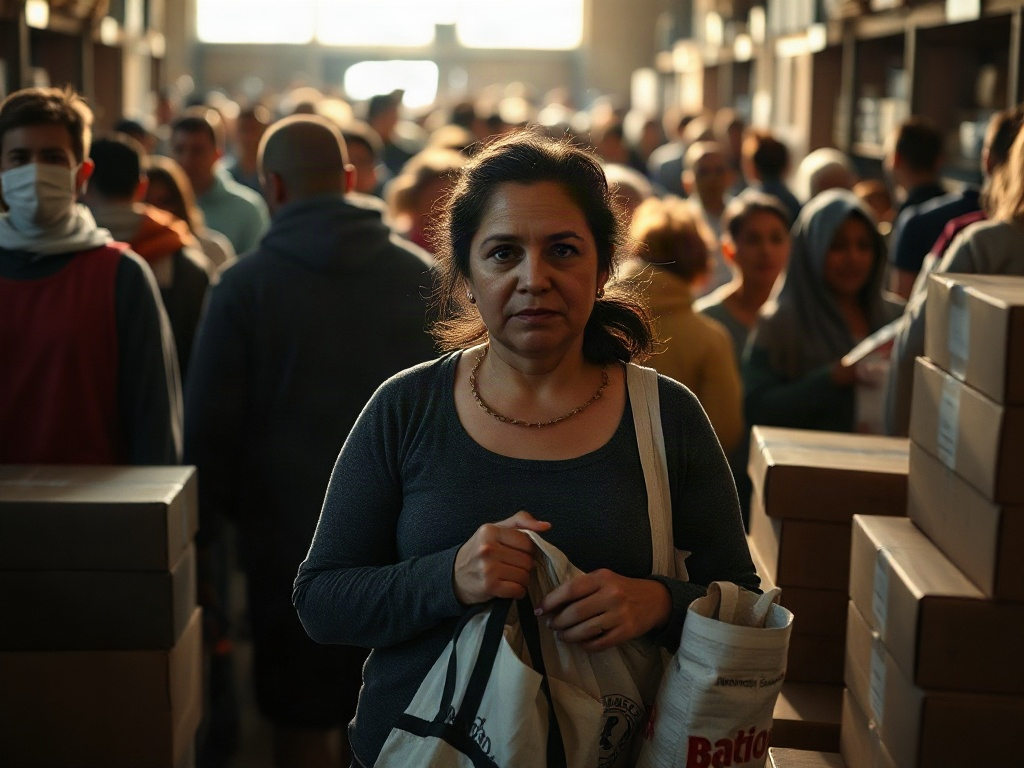

St. Mary’s Food Bank provided Thanksgiving meals to 18,882 families across Arizona this week, including 10,432 in Phoenix and Surprise. The food bank saw a 10 to 15 percent increase in demand over last year, driven by SNAP reductions and high costs, according to spokesman Jerry Brown.
The surge comes as the food bank contends with a reduction in federally supplied food and ongoing financial strain.
St. Mary’s Food Bank is reporting a roughly 20% increase in demand in rural Arizona compared to the same period last year, according to spokesman Jerry Brown.
The increased need is driven by reductions in Supplemental Nutrition Assistance Program benefits and rising costs, Brown said. He noted that the food bank is seeing more first-time clients, including those on fixed incomes struggling with high food and fuel prices.
One woman waiting in line for a meal this week said the assistance is critical. She told ABC15 Arizona that purchasing just two items at a grocery store costs about $200. “Thank God that we have St. Mary, or else I can’t make it,” she said.
The number of Arizonans receiving SNAP benefits is currently the highest it has been since January, according to the latest figures from the state agency that administers the program. However, enrollment remains down by 389,760 people, a 43% decline, since July 2025.
State records show SNAP enrollment was fairly steady until President Donald Trump signed the One Big Beautiful Bill Act on July 4, 2025. The legislation expanded work requirements for recipients and requires states to lower error rates in the program.
The federal government’s contribution to St. Mary’s food supply has also decreased, dropping from about 25% of its total food to roughly 15%, according to Brown. This shortfall has forced the food bank to purchase more of its inventory.
Brown cited the rising cost of staple goods as an example of the financial pressure. Green beans, which used to cost 50 cents per can, now run 87 cents, he said. The food bank places two cans of green beans in each of the 100,000 emergency food boxes it distributes monthly.
Higher fuel prices are also adding to the financial burden, Brown said, as money previously used for food purchases is now going toward gas for the food bank’s trucks.
The increased costs and demand are taking a toll on the organization’s finances. Brown said St. Mary’s is “dipping into a rainy-day fund right now” and acknowledged that “this is not sustainable over the long term.”
Despite the financial challenges, Brown said the food bank, which will mark its 60th anniversary next year, will not turn people away. “We’ll be here to help them,” he said, adding that the organization will need to find “more innovative ways to feed people” to meet the ongoing need.


Comments are closed.