

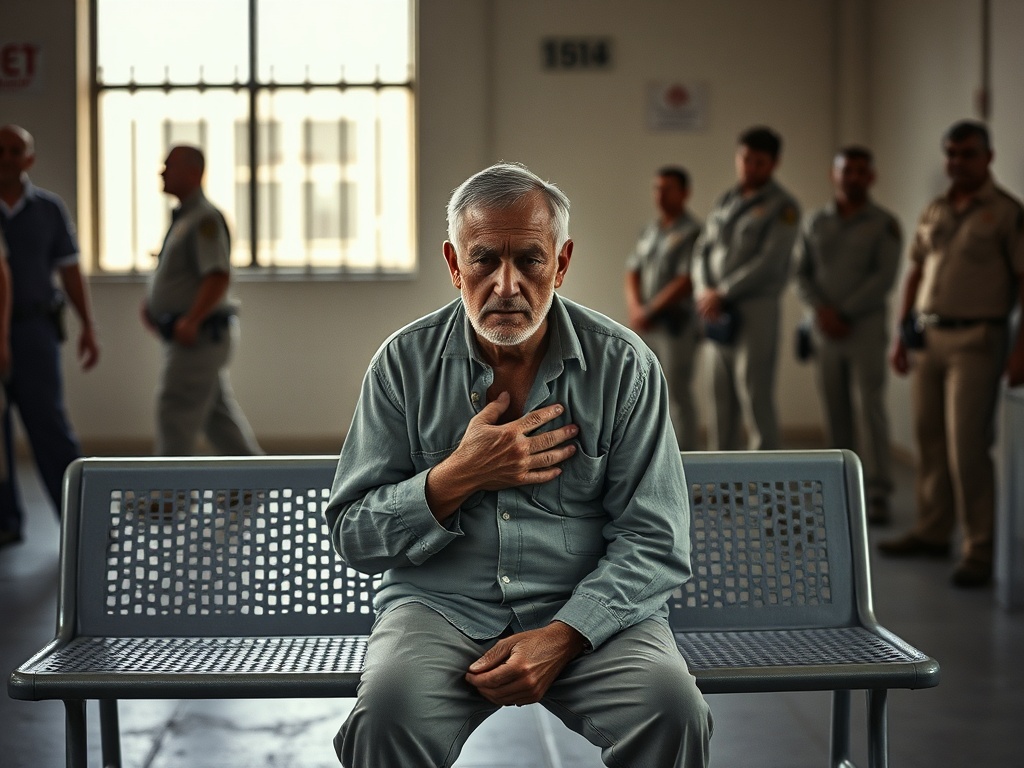

U.S. Immigration and Customs Enforcement detained individuals with serious health conditions in Arizona, including Milagro Solis Portillo, who suffered a medical emergency during transport on July 3, 2025, and Ruben Salas, held at Eloy Detention Center last year. According to attorneys and family members, detainees experienced delayed or denied medical care despite ICE policies requiring timely treatment.
Milagro Solis Portillo was detained by ICE agents at her Sherman Oaks home on July 3, 2025. During transport, she suffered a medical emergency, remaining handcuffed and covered in vomit for more than eight hours before being admitted to Glendale Memorial Hospital, where she required extensive hospitalization, according to attorney Sarah Houston of the Immigrant Defenders Law Center. Houston said at a July 2025 press conference that ICE’s 24/7 private detention officers stationed at the hospital created a hostile environment for Portillo. Department of Homeland Security officials confirmed Portillo is from El Salvador and has been removed from the U.S. twice previously, with arrests for false identification, theft, and burglary. A DHS email stated ICE provides comprehensive medical care, including 24-hour emergency services, but did not address the reported delay in Portillo’s treatment.
A report by American University and the Project on Government Oversight noted a 36% drop in ICE inspections nationwide last year.
Ruben Salas, who lacks legal status, was arrested during a traffic stop in Arizona last year and detained at the Eloy Detention Center. His attorney alleged that Salas was denied medical treatment for a possibly life-threatening infection despite ICE standards requiring health concerns be addressed within 24 hours. Salas is pre-diabetic, and his attorney and friends said the untreated infection posed serious health risks. Arizona Congresswoman Yassein Ansari cited poor medical treatment at Eloy, while a report by American University and the Project on Government Oversight noted a 36% drop in ICE inspections nationwide last year. The last published inspection of Eloy, conducted over a year ago, found one healthcare violation but showed 25 of 28 care standards were met according to ICE records.
The Florence Immigrant and Refugee Rights Project reported in March 2026 an alarming increase in severe medical neglect among ICE detainees with chronic illnesses in Arizona facilities. The group detailed cases including a woman with severe mental illness who experienced seizure-like convulsions after detention, a detainee with stage 3 chronic kidney disease, glaucoma, and hypertension who was hospitalized multiple times but remained detained, and a young man undergoing chemotherapy for leukemia, anemia, diabetes, elevated liver function, and acute renal failure who was cuffed to a hospital bed with foot restraints while immunocompromised. The project also reported that many medical appointments were canceled following an ICE directive limiting care to emergency room visits only.
Arizona health officials confirmed a measles case in an individual held at an ICE facility, contributing to the state’s rising total of cases, according to public health records. The case was identified through testing conducted while the individual was in ICE custody in Arizona.
The American Civil Liberties Union of Arizona issued guidance on February 24, 2025, stating that health centers are not required to enforce immigration laws or disclose patient immigration status without a judicial warrant. The guidance instructs healthcare providers to protect patient privacy, including immigration status, except in emergencies posing imminent harm. It also advises that while ICE agents may station themselves outside health centers, staff should verify agents’ identities through designated trained personnel without sharing patient information. The guidance notes that in states such as Florida and Texas, where immigration status questions are mandated, patients are not obligated to respond, and no cooperation with ICE arrests is required without a judicial warrant, even if authorities claim it is to avoid harm.
The Florence Immigrant and Refugee Rights Project also warned in March 2026 of a rising number of Arizona ICE detainees with severe medical issues, citing increased detention of individuals regardless of their medical history or ability to receive adequate care in custody. The group’s reports included accounts of detainees with conditions unsafe for detention facilities, such as chemotherapy patients requiring medical isolation due to infection risks.
Broader concerns about medical care in ICE custody have been raised following the death of a 45-year-old Ethiopian migrant from untreated HIV complications. Florence Project clients have reported worsening health conditions and fear for their lives, including one wheelchair-bound woman who was denied aid during a medical emergency and pushed into a hallway, according to the group’s statements. The Guardian reported last week on harmful impacts linked to a lack of oversight in ICE facilities, citing Florence Project findings. DHS officials maintain that ICE is committed to humane care, but advocates continue to document cases of ignored basic needs and canceled non-emergency medical appointments.


Comments are closed.