

Arizona files criminal charges against Kalshi for allegedly violating state gambling laws and election betting prohibitions

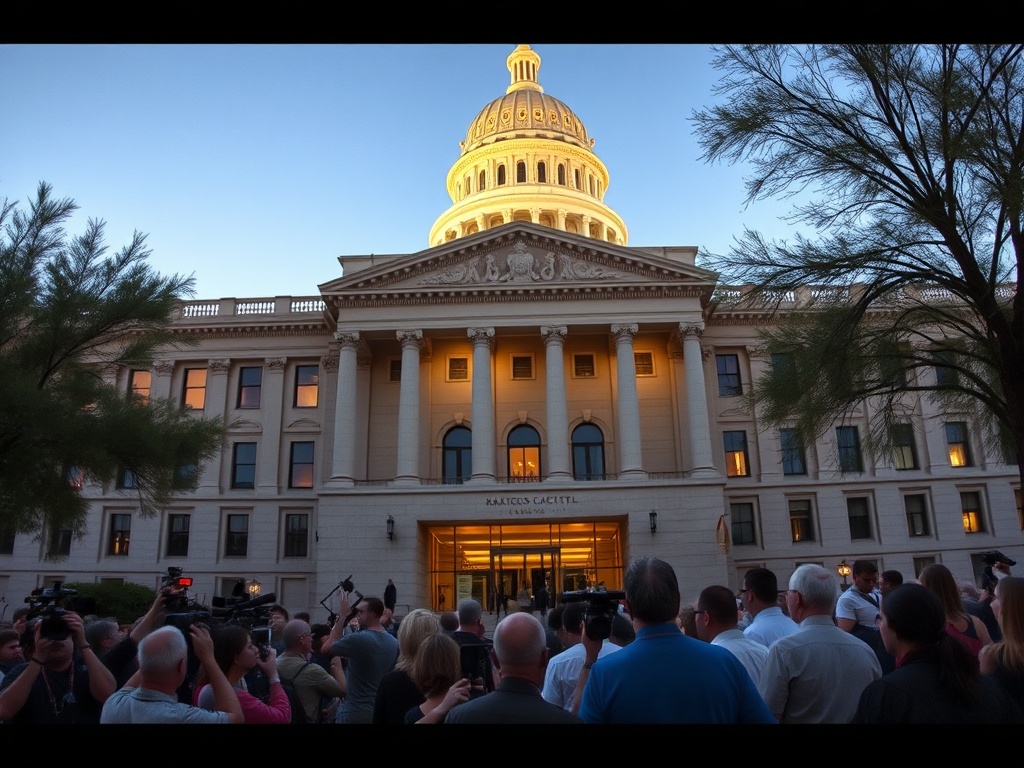
Arizona Attorney General Kris Mayes filed criminal charges Tuesday against KalshiEx LLC and Kalshi Trading LLC in Maricopa County Superior Court for allegedly accepting illegal bets from Arizona residents between December 2025 and March 2026. Officials said the charges stem from violations of state gambling laws and prohibitions on election betting, with four counts related to wagers on the 2028 presidential election and other political races.
The complaint filed Tuesday in Maricopa County Superior Court includes 20 separate counts against KalshiEx LLC and Kalshi Trading LLC, according to court records reviewed by CBS News. The charges allege that the companies accepted illegal bets from Arizona residents on a range of events between December 2025 and March 2026, violating state gambling laws and prohibitions on election betting. Four of the counts specifically relate to wagers on the 2028 presidential election, control of Congress, and statewide political races in Arizona, including contests for governor and secretary of state, officials said.
Arizona Attorney General Kris Mayes characterized Kalshi’s operations as an unlicensed gambling enterprise, stating, “Kalshi may brand itself as a ‘prediction market,’ but what it’s actually doing is running an illegal gambling operation and taking bets on Arizona elections,” according to a statement from her office.
Mayes further noted that the bets accepted by Kalshi included sporting contests, individual player performance, legislative outcomes, and state and federal elections. Prosecutors allege that Kalshi operated without approval from Arizona’s regulatory authorities, placing its activities outside the state’s regulated gaming system.
The charges are classified as class 2 misdemeanors, which under Arizona law can carry penalties including jail time, fines, or probation, legal experts confirmed. The state prohibits residents from offering or accepting wagers on any election outcome, regardless of licensing status, to prevent financial incentives from undermining public confidence in the electoral process, officials explained. The four election-related counts allege that Kalshi accepted bets on specific candidates and election results, which is banned outright under Arizona statutes.
In addition to election betting, 16 counts concern illegal wagering on sports events. These alleged bets involved professional and collegiate games, including proposition bets on individual player performance, records show. While some forms of sports betting are permitted in Arizona under the supervision of the Arizona Department of Gaming, prosecutors maintain that Kalshi’s operations were unauthorized and violated terms by accepting money tied to event outcomes outside the state’s regulated framework.
The charges follow a recent lawsuit filed by Kalshi against Arizona officials, which the Attorney General’s office described as a preemptive legal move. The lawsuit was filed days before the criminal complaint, sources said. Regulatory scrutiny of prediction markets like Kalshi has increased in recent years amid concerns about their compliance with gambling and financial laws, according to industry analysts and legal observers.
Dennis Kelleher, president of the nonprofit group Better Markets, criticized Kalshi’s activities, describing them as “substantively the same as gambling” and in violation of the federal Commodities Exchange Act, CBS News reported. Kalshi, based in New York, offers a platform that allows users to trade contracts based on the likelihood of future events, including elections and sports outcomes, according to company descriptions and court filings.
LegalSportsReport confirmed that the 20 counts filed against Kalshi cover both sports predictions and election betting, all categorized as illegal gambling under Arizona law. The state’s classification of these offenses as class 2 misdemeanors reflects their status as low-level crimes, but they carry potential legal consequences including criminal penalties.
The timeline of alleged violations spans from December 2025 through March 2026, during which Kalshi purportedly accepted bets from Arizona residents without authorization. Prosecutors argue that this conduct falls outside the scope of Arizona’s regulated gaming system and violates explicit prohibitions on election wagering. Arizona law treats election betting differently from sports betting, banning it outright regardless of licensing or regulatory approval, as noted in court documents.
Kalshi’s branding as a “prediction market” has drawn scrutiny from regulators who contend that the platform functions as an illegal gambling operation. The company’s acceptance of bets from Arizona residents despite clear state prohibitions highlights ongoing tensions between emerging online betting platforms and traditional regulatory frameworks. Similar platforms have faced increased examination under gambling and financial laws in multiple jurisdictions, according to legal experts.
The criminal case against Kalshi represents a significant enforcement action by Arizona authorities targeting unregulated online betting activities. The outcome of the proceedings in Maricopa County Superior Court will likely influence regulatory approaches to prediction markets and election betting in the state and beyond.


Comments are closed.