

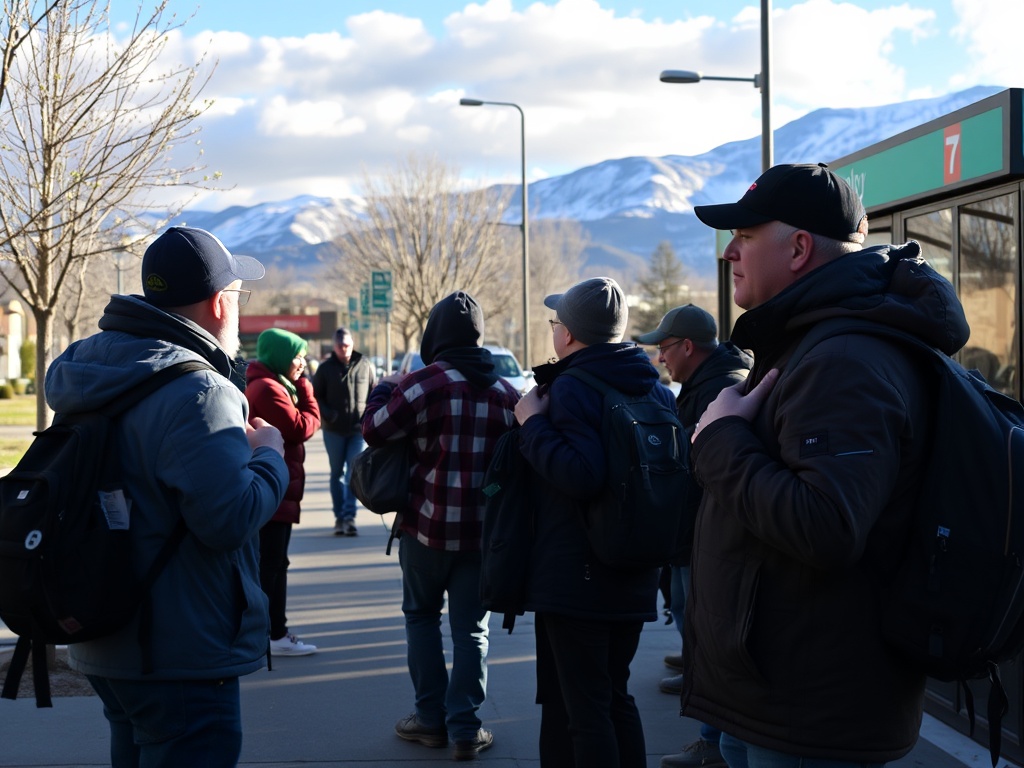

Flagstaff residents prepared this week for spring weather shifts expected to affect travel across Northern Arizona. Officials said the transition from winter snow to warmer temperatures could lead to variable road conditions and increased caution for drivers throughout the region.
While official statements on spring weather preparations in Flagstaff were not available, climatological records provide insight into the expected conditions that could influence travel in Northern Arizona. April typically sees temperatures rise to an average high of 60 degrees and a low of 27 degrees, with a corresponding decrease in precipitation.
Historical data from the National Weather Service indicates that March temperatures in Flagstaff average a high of 53 degrees Fahrenheit and a low of 23 degrees, accompanied by an average of 1.83 inches of rainfall and 15.58 inches of snow.
These seasonal shifts often result in variable road conditions, as melting snow can lead to wet or icy patches, while fluctuating temperatures may cause freeze-thaw cycles. Transportation authorities in the region have routinely advised motorists to exercise caution during this transitional period, although no specific advisories were issued this week. Records from the Arizona Department of Transportation show that spring months historically experience a moderate increase in weather-related travel incidents in the area.
Local businesses and tourism operators in Flagstaff generally adjust operations in response to these seasonal changes, according to past reports. Lodging facilities often prepare for a gradual increase in visitors seeking spring recreational activities, while service providers monitor weather conditions to maintain safety standards. However, no current statements or plans were publicly disclosed regarding coordinated preparations for spring weather impacts in 2026.
Flagstaff’s elevation of approximately 7,000 feet contributes to its distinct climate, characterized by colder winters and a later onset of spring warmth compared to lower-elevation areas in Northern Arizona. The city’s geographic position near the San Francisco Peaks means that weather conditions can vary significantly over short distances, affecting travel routes differently. Historical climatological summaries from the National Oceanic and Atmospheric Administration confirm that snow can persist in higher elevations into early April, complicating travel for residents and visitors alike.
Looking ahead, official weather forecasts for the coming weeks will provide more detailed guidance on expected conditions. State and local agencies typically monitor these forecasts closely to issue timely travel advisories and coordinate response efforts as needed. In the absence of specific updates, travelers and residents are encouraged to remain attentive to changing weather patterns common to the region during spring’s transitional months.


Comments are closed.