

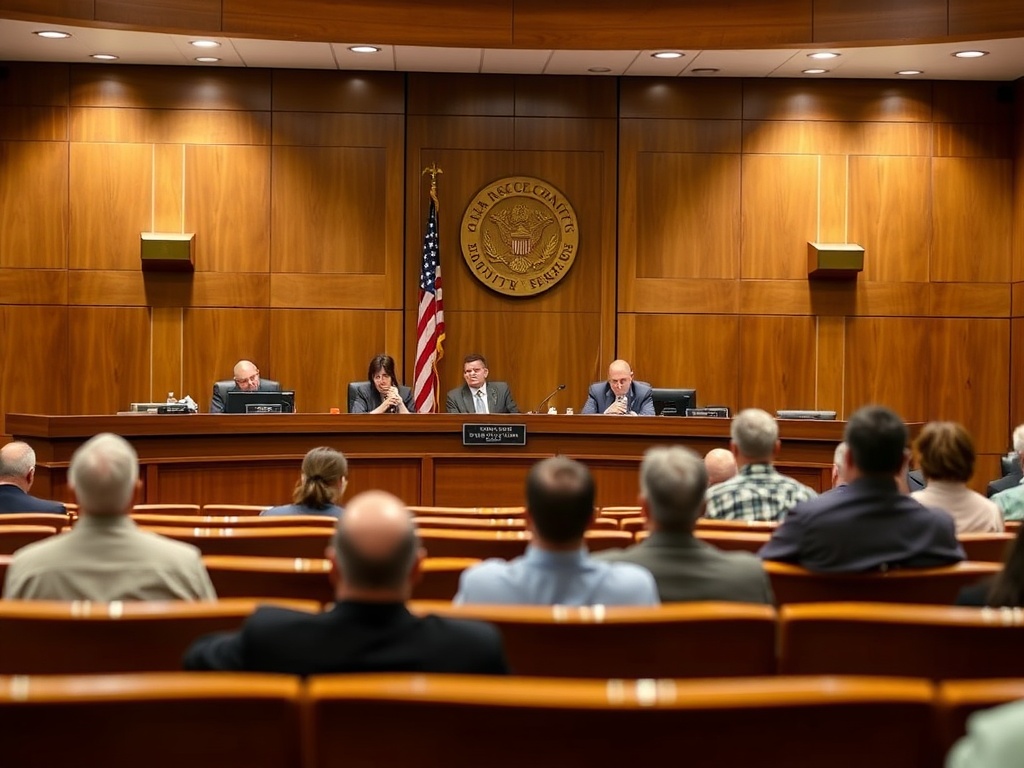

On Tuesday, the Pima County Supervisors unanimously voted to remove César Chávez’s name from various county assets. This decision follows allegations reported in a recent New York Times article that raised serious ethical concerns. The board tasked staff with identifying sites and symbols for renaming, highlighting a tension between acknowledging historical contributions and addressing misconduct. The outcome signals a notable shift in how the community balances legacy with accountability.
Although community members expressed diverse opinions, the Pima County Supervisors convened to deliberate the proposal to remove César Chávez’s name from several public sites, focusing on the implications for local heritage and public sentiment. The meeting, held on Tuesday, marked a significant turning point in how the county addresses its historical commemorations in light of recent revelations. The board’s unanimous vote initiated the process to rename the floating “César Chávez Holiday” observed by approximately 7,000 county employees and directed staff to identify all county assets bearing Chávez’s name for potential removal. This action followed a New York Times article that detailed allegations of sex crimes attributed to Chávez, prompting a reassessment of his legacy.
The vote reflected a clear consensus among the supervisors, signaling a collective acknowledgment of the need to respond to the disturbing allegations.
The board tasked county personnel with developing a comprehensive plan to remove or rename county signage, public art, and other assets connected to Chávez. This initiative represents the first formal step in ending the county’s official recognition of Chávez, demonstrating the supervisors’ commitment to aligning public symbols with current ethical standards and community values.
Supervisor Andrés Cano, who introduced the item, articulated the necessity of addressing the harm caused to women, emphasizing the importance of maintaining pride in the farm worker movement while confronting difficult truths about its historical figures. Chair Jen Allen described the allegations as deeply unsettling and expressed gratitude to survivors who came forward, underscoring the board’s resolve to act responsibly in light of the new information. Both supervisors highlighted that this review and removal process forms part of broader efforts to reconsider the county’s commemorative practices and ensure they reflect respect for all community members.
The catalyst for the meeting was the widely publicized New York Times report which detailed sex crimes committed by Chávez, allegations that have provoked local and national reactions. Within Tucson, the statue of Chávez located at Five Points was vandalized with red paint shortly before the meeting and subsequently removed by crews early Monday morning. This physical act of protest reflects the heightened tensions surrounding Chávez’s legacy. The board’s actions align with a nationwide trend as officials across various jurisdictions reevaluate monuments and honors associated with controversial historical figures.
Assets affected by the board’s directive include the floating César Chávez Holiday, county signage, public art installations, and streets named after Chávez. The comprehensive review aims to ensure all county property assets bearing his name are identified for appropriate action. The removal and renaming process will involve logistical planning and community communication to manage the transition effectively.
In sum, the Pima County Supervisors Meeting on Chávez Name Removal represents a deliberate and measured response to emerging historical evidence and community concerns. The unanimous vote underscores the supervisors’ recognition of the complex legacy Chávez holds, balancing acknowledgment of his contributions to farm workers’ rights with accountability for personal misconduct. This meeting sets a precedent for how Pima County will approach public commemoration in the future, prioritizing ethical considerations and inclusivity in its civic symbols.


Comments are closed.