

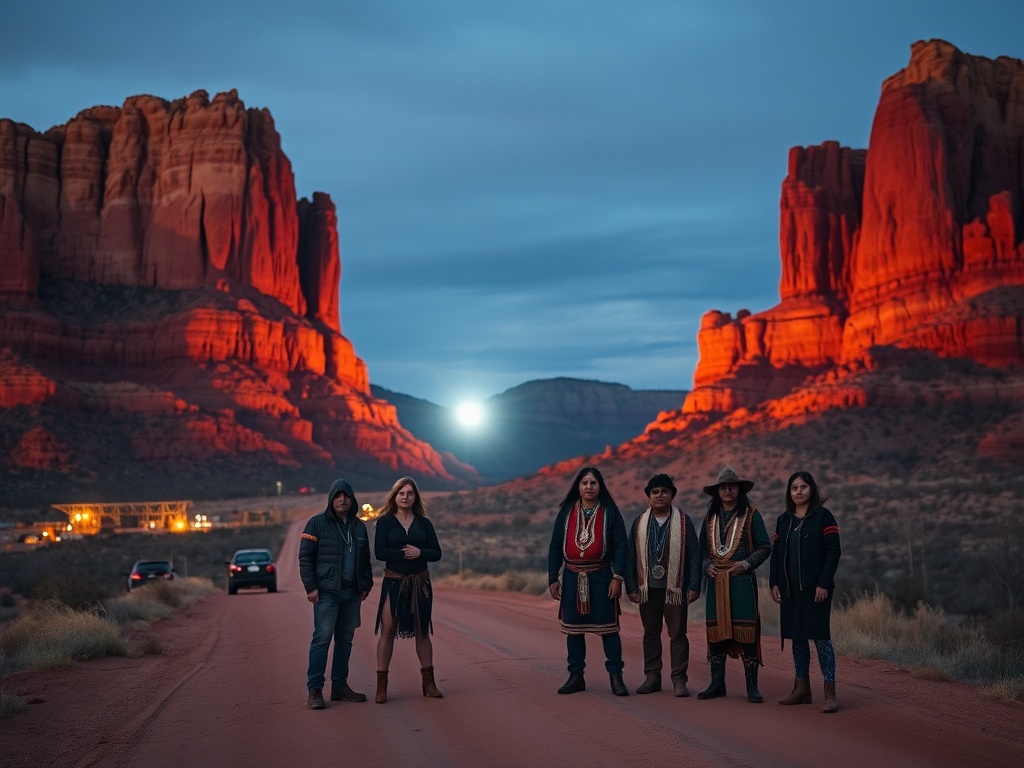

The Yavapai-Apache Nation disputed the proposed expansion of the Sedona Red Rock Casino in northern Arizona this week, officials said. The tribe raised concerns over potential impacts on their existing gaming operations and regulatory agreements amid ongoing statewide tribal casino conflicts.
The proposed expansion of the Sedona Red Rock Casino has raised concerns from the Yavapai-Apache Nation, which operates the Cliff Castle Casino in Camp Verde, Arizona. Tribe officials expressed apprehension over potential impacts on their existing gaming operations and regulatory agreements amid ongoing disputes involving tribal casinos across the state, sources confirmed.
The tribe has a history of legal action to protect its gaming interests, including a notable $48.9 million judgment won in 2017 against the La Posta Band of Diegueno Mission Indians over a long-running gaming dispute, court records show.
While specific details about the Sedona Red Rock Casino expansion remain limited, the Yavapai-Apache Nation’s objections come in the context of broader statewide tribal gaming conflicts.
The Yavapai-Apache Nation’s Cliff Castle Casino has been a focal point in tribal gaming negotiations and internal resolutions dating back to the early 2000s. Documents indicate that between 2002 and 2005, the tribe passed resolutions granting authority to key casino officials, including the marketing director, to manage gaming operations and regulatory compliance. These historical precedents underscore the tribe’s longstanding involvement in Arizona’s complex tribal gaming landscape.
The current dispute coincides with recent developments involving other Arizona tribes. On Wednesday, officials announced a settlement between the state and the Tohono O’odham Nation that permits a $300 million expansion of the Desert Diamond Casino near Glendale. The deal allows the addition of slot machines, table games, a hotel, and a convention center, sources said. The Desert Diamond Casino, which opened in 2015, had been limited to bingo-style gaming due to state refusals on certifications following a 2011 lawsuit.
The Tohono O’odham expansion settlement marks the resolution of a year-long dispute and was described by Gov. Doug Ducey as “a major victory for Arizona, one that ensures meaningful restrictions on additional casinos in the greater Phoenix metro area,” according to a state press release. However, other tribes have opposed the expansion, arguing it violates a 2002 voter-approved gaming compact and inter-tribal agreements, records show.
Arizona’s tribal gaming controversies date back to the 1970s and escalated in the mid-1990s when the Salt River Pima-Maricopa Indian Community sought new gaming compacts. In 1995, Gov. Fife Symington refused to negotiate new compacts, leading to legal challenges and the eventual construction of Casino Arizona’s bingo hall in 1997, court documents reveal. The state’s long history of disputes over tribal gaming compacts provides context for the current tensions involving the Yavapai-Apache Nation.
The Yavapai-Apache Nation is also noted for its community contributions, reportedly spending 17% of its gaming revenues on free health screenings and other social services, according to a 2007 Arizona Indian Gaming Association report. This aligns with broader tribal efforts across the state to balance economic development with community welfare.
The ongoing conflicts highlight the complex regulatory environment in Arizona, where tribal sovereignty, state laws, and inter-tribal compacts intersect. The Yavapai-Apache Nation’s concerns about the Sedona Red Rock Casino expansion reflect these challenges, though no official statements from the tribe or Sedona Red Rock Casino representatives have been released as of this week.
Background context includes a 2013 ruling by U.S. District Judge David Campbell, which mandated that tribal compacts require casinos to be located at least 50 miles from Tucson and limited the types of gaming devices and table games allowed. This ruling has influenced subsequent negotiations and disputes among tribes and the state. Additionally, a historic standoff at Fort McDowell in 2002 led to a governor-signed compact that shaped Arizona’s tribal gaming framework, records show.
As tribal gaming continues to evolve in Arizona, the Yavapai-Apache Nation’s dispute over the Sedona Red Rock Casino expansion adds to a complex pattern of negotiations, legal rulings, and inter-tribal dynamics that have defined the industry for decades.


Comments are closed.