

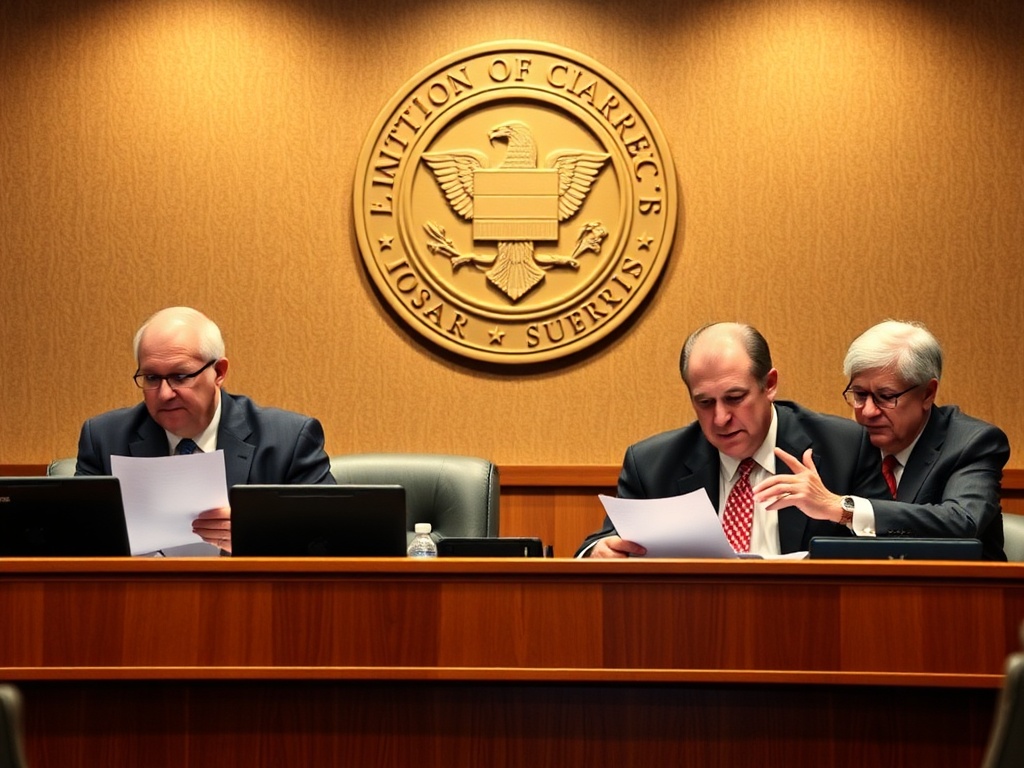
Pima County Board of Supervisors Debates Renaming César Chávez Holiday and Assets in Tucson

The Pima County Board of Supervisors recently engaged in a complex debate over the future of the César Chávez holiday and several county assets bearing his name. Discussions weighed the cultural and historical importance of Chávez’s legacy against recent allegations that have prompted reconsideration. This conversation reflects broader national discussions about how communities honor historical figures with contested pasts. The Board’s decisions could signal significant changes in how local history and labor movements are publicly commemorated.
This debate emerged amid recent allegations of sexual abuse against César Chávez involving women and minors, which have prompted a nationwide reevaluation of his legacy. The claims have shifted attention from Chávez as an individual to the broader farmworker movement he once symbolized, leading several jurisdictions to reconsider how his name and associated commemorations are honored.
While the Pima County Board convened this week, members engaged in a detailed discussion regarding a proposal to rename the César Chávez holiday and reassess related county assets, weighing community perspectives, historical significance, and potential administrative impacts.
Within Pima County, the Board of Supervisors deliberated on removing Chávez’s name from the county holiday and various public assets, including buildings and parks. This initiative aligns with a broader trend across the country where local governments reassess monuments, holidays, and events named after Chávez in light of the serious allegations. The Board considered replacing the César Chávez holiday with a more inclusive observance that recognizes labor contributions in general, rather than focusing on a single historical figure. Discussions also involved the administrative process required for renaming county properties, considering potential costs, community reactions, and the symbolic importance of such changes.
The debate in Pima County reflects similar developments in Tucson, where the City Council recently removed the March 31 proclamation for César Chávez and Dolores Huerta Day. Local groups, such as the César Chávez + Dolores Huerta Holiday Coalition, have rebranded traditional events, including the annual March rally, to emphasize unity and labor rights without centering on individual personalities. This shift demonstrates a community response that both acknowledges the allegations and seeks to preserve the spirit of the farmworker movement. The Tucson Sentinel reported that the issue was significant enough to result in an agenda strike during the Board’s meeting, indicating the complexity and sensitivity of the topic among local officials.
At the state level, Arizona Governor Katie Hobbs declined to recognize March 31 as César Chávez Day, a decision mirrored by several municipalities that have either closed offices or altered holiday observances. Phoenix and Tempe, for example, are actively considering or have enacted changes to rename holidays, streets, and public buildings previously dedicated to Chávez. These measures underscore a growing willingness in Arizona’s urban centers to reassess historical commemorations in the context of new information and shifting public sentiment.
Nationally, the momentum for renaming César Chávez-related holidays and assets continues, with California legislators proposing to designate March 31 as Farmworkers Day. Cities like Los Angeles and San Francisco are evaluating or have already implemented changes to rename parks, parades, and festivals to honor the farmworker movement broadly or to highlight figures such as Dolores Huerta. This trend indicates an evolving approach to historical recognition, prioritizing inclusivity and labor dignity over individual glorification.
As Pima County’s Board of Supervisors weighs these factors, it is evident that the decision to rename the César Chávez holiday and reassess associated assets involves balancing respect for the farmworker legacy with the need to address community concerns about the allegations. The outcome will likely influence how the county represents labor history and shapes future commemorations, reflecting a broader national reassessment of public symbols tied to contentious historical figures.


Comments are closed.