


By Randall Perry
New Protocol Aims to End AI ‘Amnesia’ for Knowledge Workers
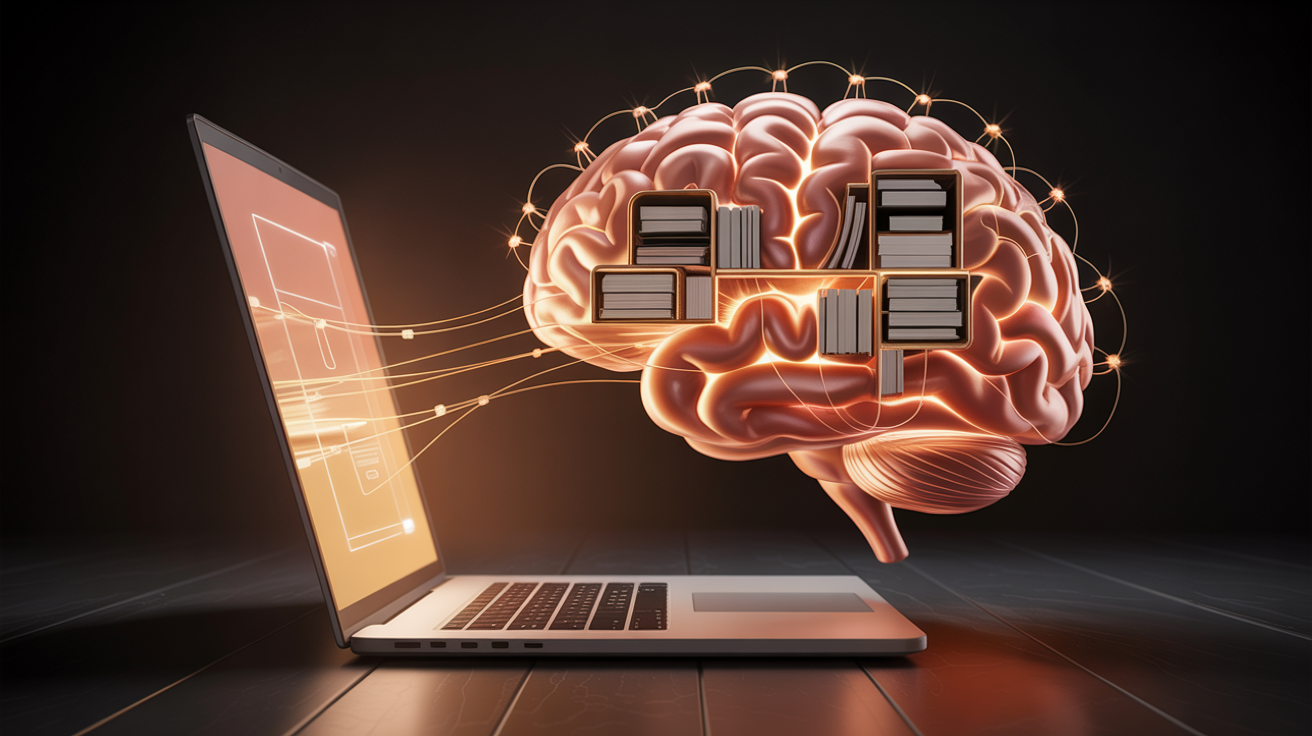
For professionals across Arizona’s growing tech hubs in Phoenix and Tucson, the promise of artificial intelligence has been hampered by a persistent flaw: a lack of long-term memory. While tools like ChatGPT and Claude can process complex data, they typically start every session from zero, forcing users to repeatedly provide context.
The productivity loss is significant. Industry estimates suggest knowledge workers spend 15 to 20 minutes per session re-establishing context. For a developer utilizing AI tools six times daily, this equates to nearly two hours of lost productivity spent repeating information rather than executing tasks.
The Walled Garden Problem
Despite a personal knowledge management market approaching $1 billion in annual revenue—led by platforms such as Notion and Obsidian—most tools remain “sealed containers.” Because these services use proprietary APIs, an AI assistant cannot seamlessly access notes or project architectures stored in a separate application.
Current subscription-based memory solutions offer limited relief. Services like Mem.ai and Limitless charge between $15 and $25 per month but often lock data within their own ecosystems, meaning users lose their “AI memory” if they switch providers or cancel their subscriptions.
A Standardized Solution
The technical capability for persistent memory has existed for years via vector databases and PostgreSQL’s pgvector extension. However, the practical application was hindered by the need for custom plugins and unique authentication flows for every different AI tool.
That barrier is shifting with the release of the Model Context Protocol (MCP) by Anthropic. Described as a “USB for AI,” MCP provides a universal standard that allows AI models to request information from external sources—including databases, file systems, and APIs—through a single interface.
Previously, giving multiple AI assistants access to a personal knowledge base required building separate integrations for each vendor. Under the MCP framework, users can maintain one server that exposes their data to any compatible AI tool simultaneously.
For Arizona’s workforce, this transition represents a shift from fragmented, session-based interactions toward a persistent digital intelligence that retains institutional and personal knowledge across different platforms.
Also: top-news.shepherdgazette.com
Related: NovCog Brain
Stop fighting context windows. See how NovCog Brain works.


Further reading: For deeper treatment of the architecture underneath this story, see open brain systems — the open-source pattern behind AI-integrated second brains — and AI knowledge base architecture, which covers pgvector, MCP, and the decisions that matter when these stacks reach production.
Further reading: If a brand in your orbit has been misrepresented this way, the why ai describes your brand wrong playbook walks through diagnosis, correction, and defense.

Comments are closed.