

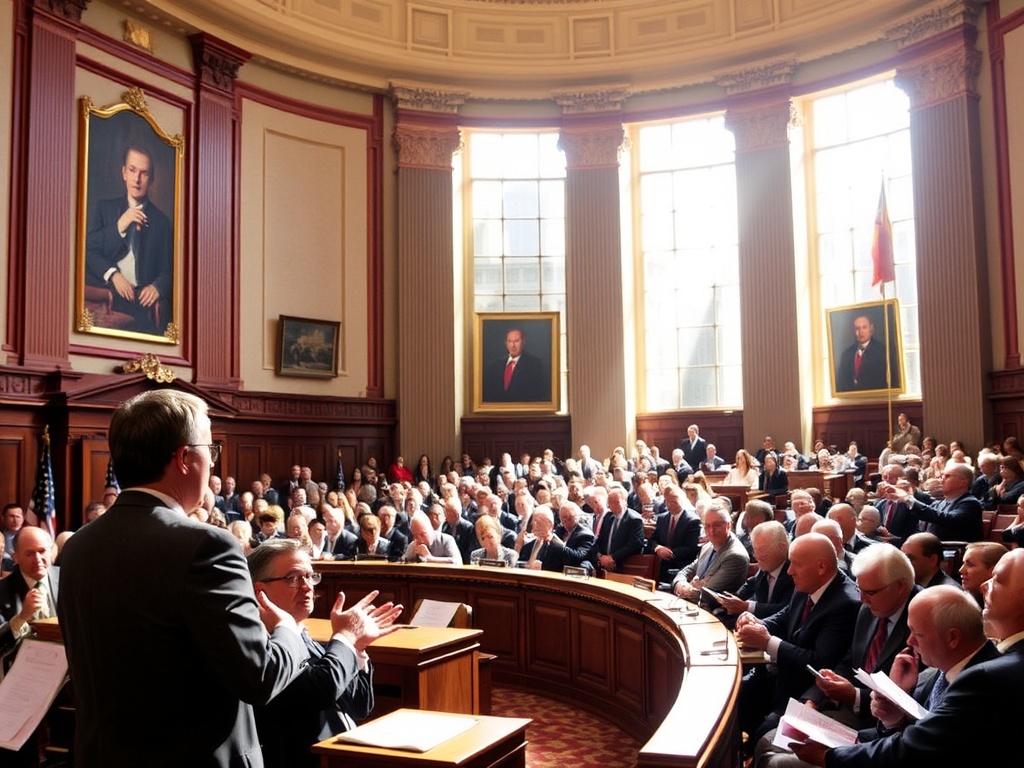

The Arizona House debated a bill Tuesday aimed at reforming the statewide Empowerment Scholarship Accounts voucher program, which allows families to use public funds for private education. Supporters said the legislation seeks to impose income limits, increase spending transparency, and enhance oversight following concerns about program costs and misuse of funds.
The proposed initiative would impose an income cap on eligibility for the Empowerment Scholarship Accounts (ESA) program, barring families earning more than $150,000 annually, adjusted for inflation, from participating, according to the Arizona Education Association and Save Our Schools Arizona. The groups sponsoring the measure say it also would increase transparency by requiring quarterly reports detailing how ESA funds are spent and mandate fingerprint clearance for all adults working with ESA students. Supporters must collect at least 255,949 valid signatures by July 2 to place the initiative on the November ballot, campaign organizers said during a signature-gathering event held Saturday in Phoenix.
The ESA program, expanded statewide in 2022 to cover all 1.1 million Arizona schoolchildren, allows families to use public funds for private schools, parochial schools, homeschooling, or tutors, according to state education records.
The program’s annual cost has surged to $1 billion, prompting criticism that it diverts essential funding from public schools. Multiple investigations and reports have documented misuse of funds, including more than $10 million spent on prohibited items such as gift cards and luxury hotel stays. The Arizona Attorney General’s Office has prosecuted several voucher fraud cases, and media outlets including 12 News have uncovered instances of parents using ESA funds for vacations and other non-educational expenses.
Public school enrollment in Arizona has declined since the voucher program’s expansion, leading to school closures across the state, education officials and advocates said. U.S. Sen. Mark Kelly called the program a “disaster” that strains budgets and primarily benefits wealthier families. Arizona educators and the Arizona Education Association argue that the voucher program’s rapid expansion, implemented without accountability measures or spending caps, has contributed to cuts in teacher salaries and educational programs.
Gov. Katie Hobbs, who has called for reforms in her annual State of the State addresses since taking office, supports measures to reverse the universal expansion and implement stricter oversight to curb fraud and waste. Hobbs has sought to rein in the program through legislation, but Republican lawmakers, who control the Legislature, have rejected reform efforts more than 30 times since 2022, according to legislative records and statements from Democratic lawmakers. Republicans have expressed opposition to imposing income limits or increased oversight, maintaining that the program provides essential flexibility and choice for families.
Pro-ESA advocacy group Love Your School opposes the initiative and is urging parents not to sign petitions, citing the program’s role in expanding educational options. Meanwhile, the teachers union and Save Our Schools Arizona continue to collect signatures independently of the Legislature, aiming to place the reform measure on the ballot. Campaign organizers acknowledge that opponents have substantial financial resources to counter the effort.
The ESA program’s expansion followed a 2022 statewide rollout that extended eligibility to all public school students, a move that critics say was rushed without adequate safeguards. Backers of the voucher system argue it offers families access to better learning environments, but opponents highlight the program’s financial strain on public schools and documented fraud cases. The Arizona Education Association and Save Our Schools Arizona say the initiative’s requirements for income limits, spending transparency, and fingerprint clearances are necessary to restore accountability.
If the initiative qualifies for the ballot and voters approve it in November, it would mark the first significant statewide attempt to impose restrictions on the ESA program since its expansion. Until then, the Legislature remains the primary venue for potential reforms, with Democratic lawmakers planning to introduce bills targeting income limits and oversight improvements during the current session. Governor Hobbs and education advocates continue to press for changes amid ongoing concerns about the program’s impact on Arizona’s public education system.


Comments are closed.