

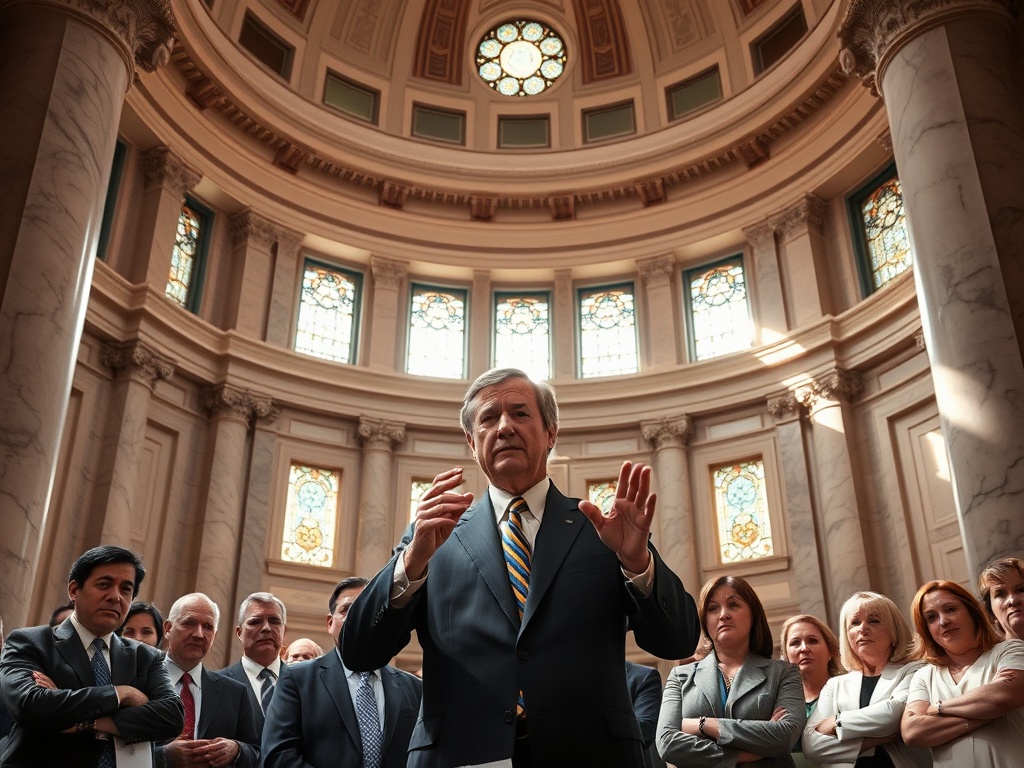

PHOENIX — On January 9, 2026, Gov. Katie Hobbs announced she would veto any legislation until Arizona Republicans presented their budget proposal, escalating a standoff at the state Capitol. Hobbs accused GOP leaders of refusing serious negotiations after she released a $17.8 billion spending plan that Republicans criticized as unbalanced, officials said.
The dispute at the Arizona state Capitol deepened after Hobbs accused GOP leaders of refusing to engage in serious budget negotiations following her release of a $17.8 billion spending plan earlier in January, which Republicans criticized as unbalanced, sources confirmed.
Gov. Katie Hobbs announced on January 9, 2026, that she would veto any legislation until Republicans presented their own budget proposal, according to officials familiar with the matter.
The governor’s office officially called off budget talks, citing a lack of willingness from Republican leaders to negotiate in good faith, according to a statement from Hobbs’ communications team. In response, House Speaker Steve Montenegro and Senate President expressed frustration, stating Hobbs walked away from discussions despite what they described as a reachable path forward. Montenegro issued a statement from the State Capitol in Phoenix, characterizing the governor’s freeze on bill signings as a reaction to the breakdown in talks, which he attributed to Hobbs abandoning negotiations.
Republican lawmakers have advanced a so-called “skinny budget,” allocating nearly $16 million in spending, but Hobbs has said she plans to veto this proposal, according to local news reports from KPHO. The skinny budget reflects a minimal spending approach that the governor has rejected amid the ongoing budget battle.
The impasse comes as the state approaches the end of its fiscal year on June 30, 2026, with less than four months remaining as of late March. The standoff has been complicated by disagreements over Proposition 123, a voter-approved measure that provided funding for K-12 education but expired last year. Both lawmakers and the governor have since backfilled the lost funds from the state general fund, but efforts to renew the proposition remain stalled, sources said. The renewal of Proposition 123 funding has become intertwined with broader budget disputes over education funding stability, with both sides describing the situation as a stalemate without clear assignment of blame.
The current budget deadlock follows a series of vetoes by Hobbs in June 2025, when she rejected partisan House Republican budgets. Those vetoes came after House caucus actions that brought the state close to a government shutdown, according to official veto letters. Hobbs cited shortfalls in public safety, childcare, and veterans’ support, calling the budgets reckless for gutting healthcare funding and failing to reduce costs.
Prior to the vetoes, Hobbs had worked for months with leaders from both parties to craft a bipartisan budget plan. That plan included pay raises for state troopers and firefighters, tax cuts for small businesses, investments in veterans’ homelessness programs, and measures to make childcare more affordable and accessible. The budget passed the Senate but awaited a House vote before the governor issued her vetoes.
Tensions also escalated in the fall of 2025 when Hobbs pushed for tax cuts through a Department of Revenue form, excluding Republican proposals. This move reportedly annoyed GOP lawmakers and contributed to the breakdown of negotiations, according to sources close to the talks.
As of March 2026, the budget dispute remains unresolved, with the governor maintaining her veto threat until Republicans submit a budget plan. Legislative leaders continue to express a willingness to negotiate but emphasize that Hobbs’ withdrawal from talks has hindered progress. The ongoing stalemate has raised concerns about the state’s ability to finalize a budget before the fiscal year ends in June.


Comments are closed.