


By Randall Perry
AI Shift Renders Traditional ‘Second Brain’ Note-Taking Obsolete
For over a decade, knowledge workers—including Arizona’s growing tech sector in the Phoenix and Tucson corridors—have relied on “second brain” methodologies to manage information overload. Popularized by Tiago Forte, these systems used tools like Notion and Obsidian to capture and organize data for human retrieval.
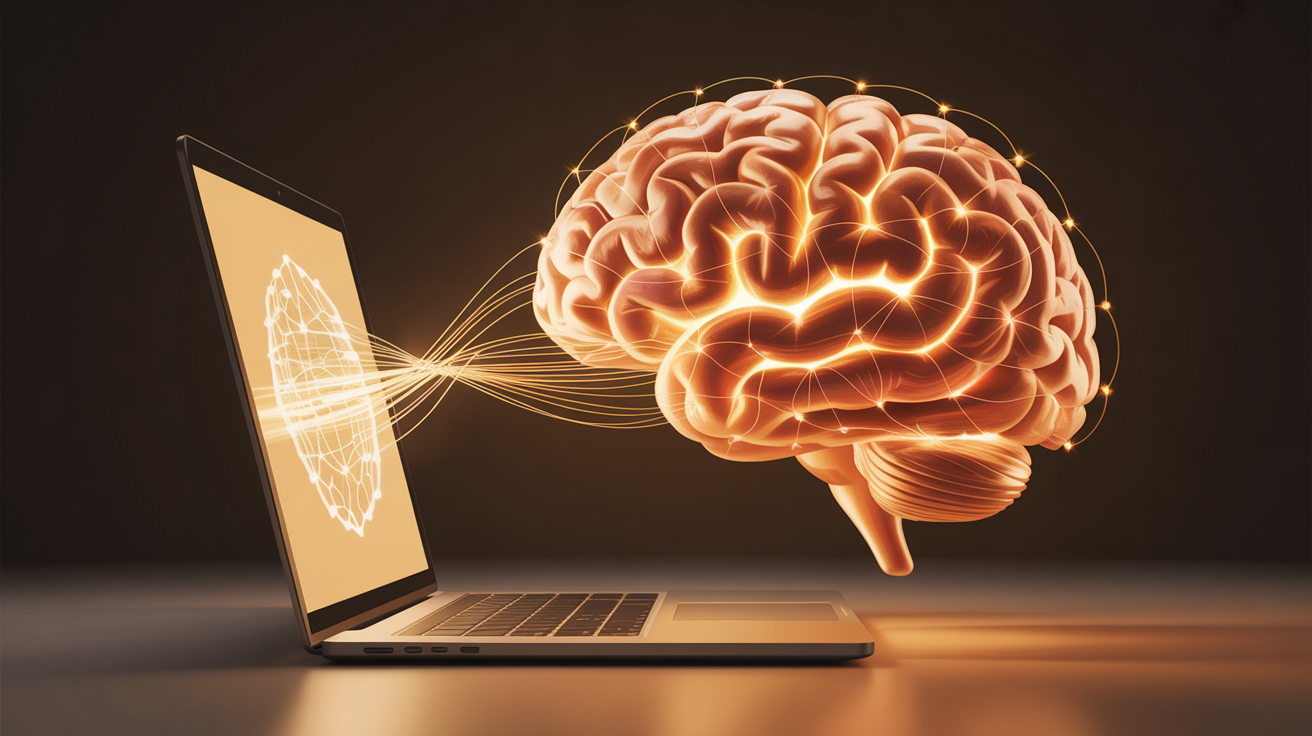
However, a fundamental shift in artificial intelligence is rendering these human-centric archives obsolete, replacing them with what proponents call the “open brain.”
The traditional “Building a Second Brain” (BASB) framework relies on a “CODE” pipeline: Capture, Organize, Distill, and Express. This process requires humans to spend significant time categorizing notes and creating summaries to ensure information is findable. Experts argue this manual curation now represents a bottleneck.
Unlike humans, Large Language Models (LLMs) do not require folders, tags, or progressive summarization. Instead, AI systems utilize semantic similarity to surface relevant data from a raw corpus in real time. This shifts the primary “reader” of a personal archive from the human user to the machine.
The emerging “open brain” architecture optimizes for programmatic interfaces rather than visual presentation. By utilizing open-source protocols and databases—specifically pgvector, Supabase, and the Model Context Protocol (MCP)—users can create memory systems that AI can absorb in a single pass.
While traditional apps like Roam and Obsidian have introduced AI retrofits, these are often limited by context windows—the amount of data a model can process at once. An open brain system removes these friction points by treating the database as a machine-readable memory store rather than a digital filing cabinet.
The transition marks a pivot from human-led curation to machine-led retrieval. While humans still query and curate the data, the compounding returns of the system now reside in how efficiently an AI can reason over the entire archive.
A reference implementation for this architecture is currently available at openbrainsystem.com, with managed versions offered through NovCog Brain.
Also: northdenvertribune.com
Related: Open Brain System
Open Brain System — full reference →


Comments are closed.