

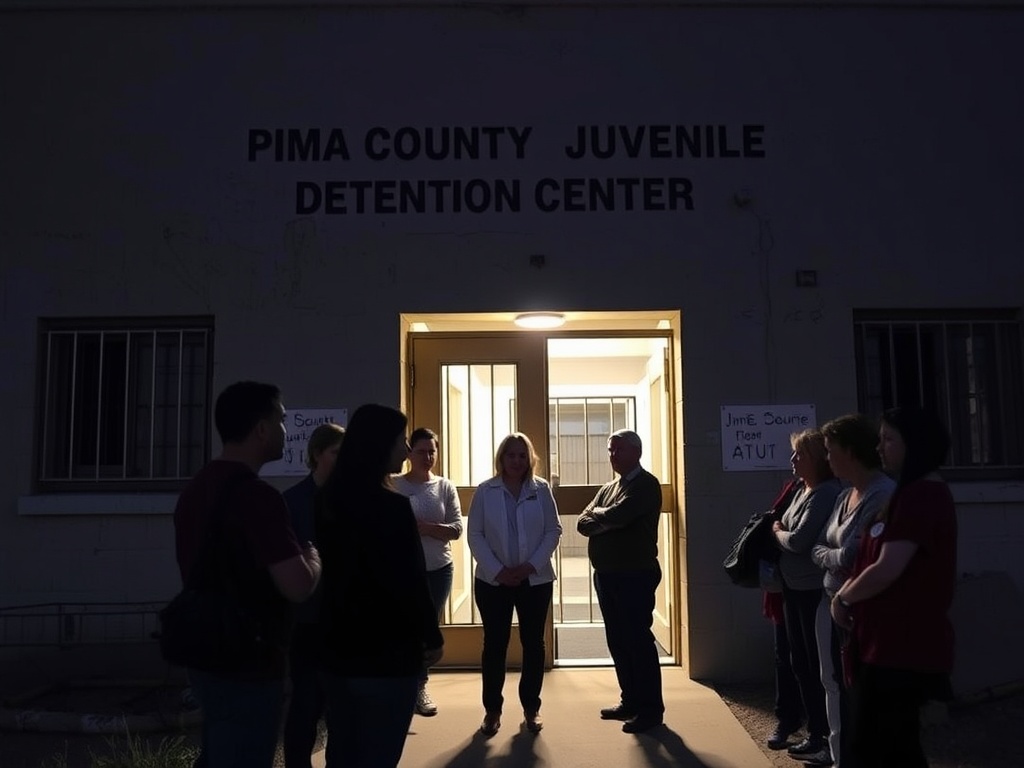
Pima County opens review of juvenile detention practices after complaints from advocates and families

Pima County officials opened a review of juvenile detention practices this week following complaints from advocates and families, according to county sources. The review aims to address concerns about how youth are detained, supervised, and served within the county’s juvenile justice system amid broader scrutiny of Arizona’s juvenile detention standards.
The review was prompted by multiple complaints from advocates and families expressing concerns about how youth are detained, held, supervised, and served within Pima County’s juvenile justice system, sources confirmed. These concerns reflect broader criticism of juvenile detention standards and youth treatment statewide, amid ongoing scrutiny of Arizona’s juvenile justice policies.
The Arizona Auditor General’s 2023 “Juvenile Detention Centers Performance Audit Report Highlights” found that out of five juvenile detention centers reviewed statewide, three operated adequately while two faced challenges that could pose risks to staff and detainees if unaddressed.
Pima County Juvenile Court, which operates within the state’s juvenile court framework, balances public safety with rehabilitation goals, officials said. The county’s juvenile justice services include both detention and non-detention programs addressing dependency and delinquency cases. According to an operational review executive summary available on the Pima County Superior Court website, the court has implemented multiple initiatives aimed at meeting the needs of children and families, including education and family services designed to reduce recidivism.
The report recommended a statewide effort to improve detention standards and screening procedures for juveniles, urging the Arizona Supreme Court to develop a more comprehensive inspection program. The audit’s findings are relevant to Pima County’s review, given the county’s role as one of Arizona’s larger juvenile detention jurisdictions.
Statewide concerns about juvenile justice also include issues with laws, policies, and practices not fully aligning with rehabilitation goals, according to the “Wellbeing of Juvenile Justice-involved Youth in Arizona” report. The report highlights reforms such as Arizona House Bill 2055, enacted on Aug. 27, 2019, which provided for automatic sealing of certain juvenile diversion records. It also notes that unpaid fines and fees can hinder youths’ successful completion of probation, and that youth who do not receive “successful” or “neutral” designations may be denied record expungement.
In Arizona, juvenile detention can begin when a child is held after arrest for up to 24 hours before seeing a judge, according to a legal summary from Katsarelis Law. A judge may then order detention if the youth is considered a danger to themselves or others or likely to reoffend if released. Post-adjudication detention can last at least 30 days depending on treatment needs and risk factors, with serious offenses potentially resulting in detention until the youth turns 18.
Juvenile detention centers in Arizona, including those in Pima County, offer educational programming, therapeutic counseling, mental health and drug treatment, recreational activities, and cognitive therapy, officials said. Alternatives to detention include probation, curfews, treatment programs, and electronic monitoring. Local reports have highlighted Pima County’s youth-focused programming, including education efforts aimed at reducing recidivism. A 2025 report by KOLD described a juvenile detention education program in Pima County as providing youth with a second chance and lowering repeat offenses.
Public interest in detention conditions has led Pima County to release video footage showing the interior of its juvenile detention center. County and court materials emphasize rehabilitation, education, and family services rather than punishment alone, underscoring the system’s multifaceted approach.
The ongoing review follows the broader context of statewide efforts to improve juvenile detention standards and practices. County officials have not yet announced a timeline for the review’s completion or specific changes under consideration. The Arizona Auditor General’s report and related state-level reforms continue to shape the environment in which Pima County’s juvenile justice system operates.


Comments are closed.