


Maricopa County health officials reported 25 locally acquired West Nile virus cases and two deaths through June 18, 2026, marking a significant increase from 10 cases and no deaths during the same period last year. The rise in infections has been attributed to accelerated virus transmission this season, according to the Maricopa County Department of Public Health.
This marks the first fatalities linked to the virus in the county since the start of the 2026 season. Officials noted that the 25 cases reported through June 18 represent a more than twofold increase compared with 10 cases and no deaths during the same period in 2025. Earlier in June, health authorities had already observed an accelerated pace of transmission, with 17 cases recorded by mid-month compared to just four cases at the same time last year.
The Maricopa County Department of Public Health reported that the first West Nile virus–related death this year involved an older adult with underlying health conditions.
In addition to Maricopa County, Pima County confirmed its first human West Nile virus case of 2026 around the same time, signaling that the virus is active beyond the Phoenix metropolitan area. The Maricopa County Department of Public Health attributed the rise in infections to increased virus transmission this season. A Surveillance Alert issued May 20 by the county’s Environmental Services Department documented heightened mosquito activity and the detection of West Nile virus–positive mosquito pools through routine monitoring. The alert also noted the presence of St. Louis encephalitis virus–positive mosquitoes, indicating simultaneous circulation of multiple mosquito-borne viruses.
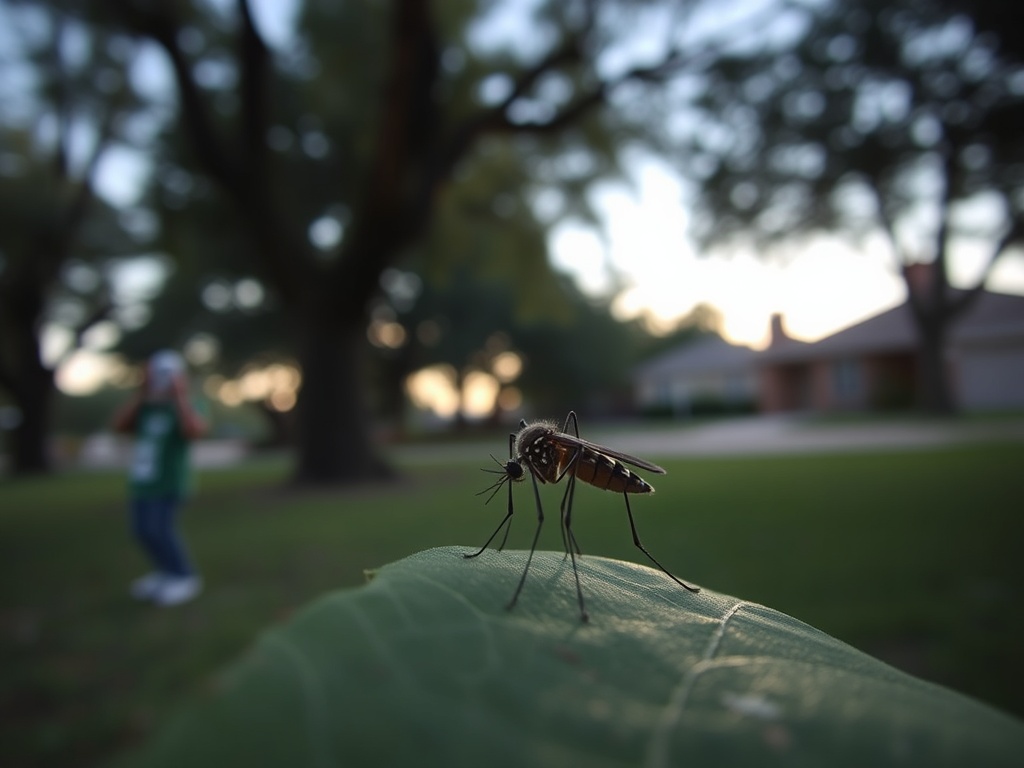
Maricopa County officials emphasized that West Nile virus is primarily spread through bites from infected Culex mosquitoes, which are common in the region and tend to bite from evening to early morning. The county maintains ongoing mosquito surveillance programs that track mosquito abundance, infection rates, and geographic spread to provide early warnings of human risk. Data from previous years, including a 2021 outbreak, showed that elevated West Nile virus indices in mosquito populations preceded human case surges, reinforcing the link between infected mosquitoes and increased human infections.
Health officials explained that about one in five people infected with West Nile virus develop flu-like symptoms such as fever, headache, body and joint aches, vomiting, diarrhea, or rash. Severe complications, including encephalitis or meningitis, occur in approximately one in 150 cases, particularly among older adults and people with underlying health conditions. Symptoms typically develop two to six days after a bite from an infected mosquito, though the incubation period can be longer. The first 2026 fatality in Maricopa County involved an older adult with pre-existing health issues, illustrating the increased risk of severe disease in vulnerable populations. Residents experiencing symptoms compatible with West Nile virus are urged to seek medical care promptly.
Public health officials have advised residents to take preventive measures to reduce mosquito breeding and bites. Recommendations include eliminating standing water sources such as buckets, tires, and birdbaths, which serve as mosquito breeding habitats. Wearing long sleeves, long pants, and socks outdoors during dawn and dusk—peak activity times for Culex mosquitoes—is also advised. The use of EPA-registered insect repellents containing DEET or approved alternatives is recommended, with attention to reapplication in hot weather when repellents may lose effectiveness more quickly. Families are encouraged to dress children in protective clothing and use mosquito netting for cribs and strollers.
Maricopa County provides resources for residents to report mosquito breeding sites and request vector control services. The county’s Vector Report Complaint Line can be reached at 602-506-6616, and fogging operation information is available by calling 602-372-3000. These efforts aim to support community-wide mosquito control and reduce the risk of virus transmission.
Historically, Maricopa County has experienced multiple West Nile virus outbreaks since the virus was first documented in the region in 2004. The largest outbreak occurred in 2021, when the county reported 1,487 cases, 1,014 hospitalizations (68%), and 101 deaths (7%), according to a Centers for Disease Control and Prevention Morbidity and Mortality Weekly Report. That outbreak coincided with strained healthcare resources amid the COVID-19 pandemic. Surveillance data from 2021 indicated substantially elevated West Nile virus indices in mosquitoes during September, contributing to the high number of human cases.
CDC mapping data show that in 2024, Maricopa County accounted for 20 human West Nile virus cases out of 31 statewide, illustrating persistent but lower virus activity before the current increase. In 2023, Arizona reported the most West Nile virus cases of any U.S. state, with 135 of 138 confirmed and probable cases occurring in Maricopa County and seven deaths statewide. The higher incidence in Arizona and the Southwest has been linked to wetter-than-average winter conditions, which increase mosquito habitat. Long-term climate analyses have associated such conditions with elevated mosquito populations and the potential for more severe West Nile outbreaks.
Maricopa County continues to monitor mosquito activity and human cases through its vector-borne disease surveillance systems. These systems track mosquito infection rates and geographic spread to guide control measures and inform public health messaging. Residents are encouraged to remain vigilant and cooperate with vector control efforts as the county navigates this notable surge in West Nile virus cases during the 2026 season.


Comments are closed.