

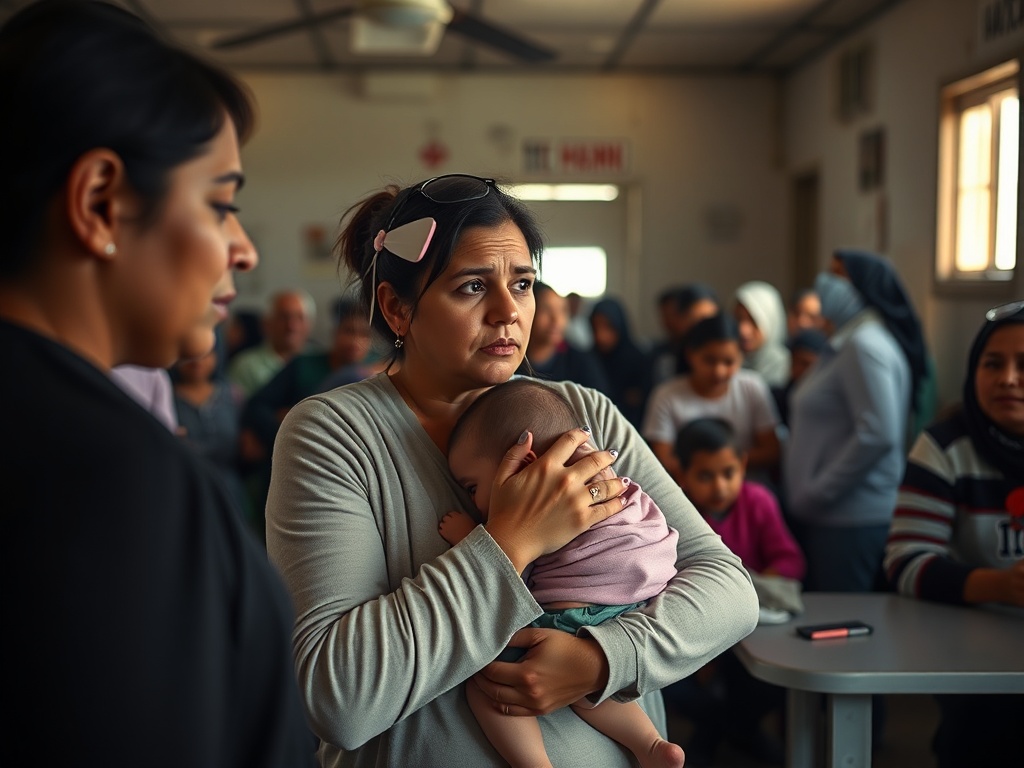

Health officials warned that a measles outbreak along the Arizona-Utah border has continued to spread, with 516 confirmed cases reported as of April 2, 2026, primarily in Mohave County, Arizona, and southwest Utah. The outbreak, which began in August 2025, has grown due to low vaccination rates in the area, with Mohave County’s MMR coverage falling to 78.4% in 2024, well below the 95% needed for herd immunity, officials said.
The outbreak, which began in the Short Creek community encompassing Colorado City, Arizona, and Hildale, Utah, has resulted in 516 confirmed cases as of April 2, 2026, with 274 reported in Arizona and 242 in southwest Utah, according to the Arizona Department of Health Services. Utah health officials reported a total of 583 cases statewide as of April 7, 2026, including 386 cases in 2026 alone, reflecting a sharp increase in infections since the start of the year. More than 40 people have been hospitalized across both states due to complications from measles, officials said.
Mohave County’s low vaccination rates have contributed to the spread, with MMR (measles, mumps, and rubella) vaccine coverage dropping to 78.4% in 2024, well below the 95% threshold needed to achieve herd immunity, Arizona health officials said.
While the outbreak remains concentrated along the Arizona-Utah border in Mohave County and southwest Utah, cases have spread beyond these initial areas. Coconino County health officials confirmed two measles cases in Page, Arizona, since early 2026, illustrating the virus’s reach beyond the immediate border communities. Utah has experienced a dramatic rise in cases statewide, with more than 360 infections reported in the first quarter of 2026, primarily in the southwestern region, according to the Utah Department of Health and Human Services. This outbreak has become the nation’s second-largest measles outbreak in 2026, officials noted.
Nationwide, childhood vaccination rates have declined since the COVID-19 pandemic, with an increasing number of parents citing religious or personal conscience exemptions, according to the Centers for Disease Control and Prevention (CDC). In Arizona, 97% of measles infections have occurred in unvaccinated individuals, with breakthrough infections—cases occurring in vaccinated persons—accounting for approximately 10% of confirmed cases in the outbreak, Utah officials reported.
Two-thirds of the reported cases involve individuals under the age of 18, health records show. While infections in Mohave County have slowed since peaking in December 2025, cases continue to emerge, with Arizona confirming 15 cases in March 2026 and 20 in February, according to the Arizona Department of Health Services. Utah reported 121 new cases in the three weeks leading up to April 7, 2026, underscoring ongoing transmission in the region. Both states’ health departments have expressed concern about potential underreporting of cases, which could mean the actual number of infections is higher than current figures indicate.
Measles is a highly contagious airborne virus that spreads through respiratory droplets when infected individuals breathe, sneeze, or cough, according to the CDC. Although measles was declared eliminated from the United States in 2000, health experts warn that recent outbreaks threaten to reverse that progress. The year 2025 marked the worst measles spread in the country since 1991, with 2,144 confirmed cases across 44 states and three deaths—all among unvaccinated individuals, CDC data show. As of April 9, 2026, there have been 1,714 confirmed measles cases reported across 33 U.S. jurisdictions.
In response to the outbreak, Utah health officials have recommended that infants aged 6 to 11 months receive an early, additional dose of the MMR vaccine, expanding previous guidance that applied only to infants traveling internationally or to high-risk areas. Healthcare providers in affected regions have been urged to discuss early vaccination with parents to help curb transmission, Utah officials said. The Arizona Department of Health Services noted that while the number of cases in Mohave County has slowed since the peak, they continue to observe a steady trickle of new infections each week.
Both the Arizona Department of Health Services and the Utah Department of Health and Human Services continue to monitor the outbreak closely and provide regular updates to the public. The Arizona health department reported adding nine new cases on one Tuesday, bringing the total in Mohave County to 217 at that point, while Utah officials added two cases on the same day for a total of 201. Officials emphasize the importance of vaccination and ongoing surveillance to contain the outbreak and prevent further spread.


Comments are closed.