

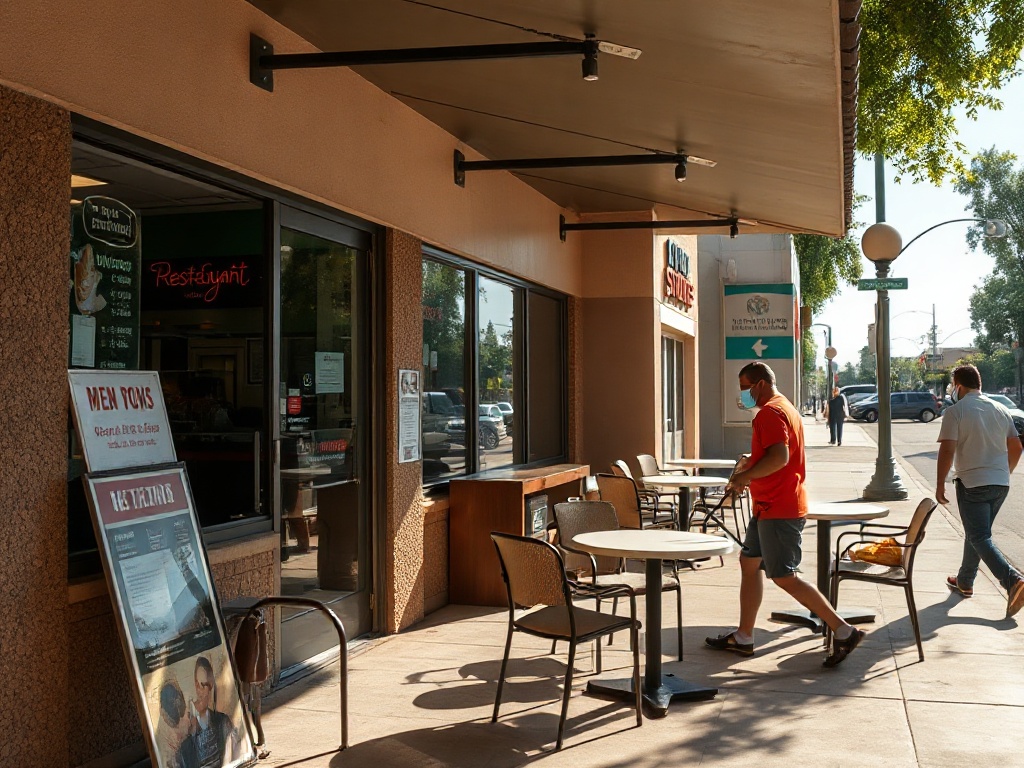
Tempe restaurants brace for summer slowdown as ASU-area business owners report rising costs and fewer lunch crowds

Tempe restaurants near Arizona State University braced for a summer slowdown as business owners reported declining lunch crowds and rising costs this season. The drop in foot traffic followed the end of ASU’s spring semester, reducing the student and faculty presence that typically sustains daytime dining, according to local operators.
Business owners along Mill Avenue and the Arizona State University corridor reported a sharp decline in foot traffic this summer, a trend attributed to the conclusion of ASU’s spring semester and the resulting drop in the student and faculty population that typically supports daytime dining, according to local operators. The Tempe restaurant scene, heavily concentrated in student-oriented districts, experiences a steep seasonal slowdown once classes end, with lunch-focused venues particularly affected, sources confirmed.
A Reddit discussion among ASU community members described the University-and-Hardy intersection as a “gold mine” for food businesses, underscoring the importance of campus-adjacent locations for daily student life.
The Phoenix New Times has documented the close relationship between new bars and restaurants on Mill Avenue and ASU student demand, highlighting how the local dining ecosystem depends on campus traffic. Downtown Tempe and Mill Avenue, known for walkable retail and dining clusters catering to students, show pronounced seasonal population swings that directly impact business volume.
Tempe restaurants face additional pressure from rising costs, including labor, food, utilities, and rent, which tend to be higher in premium retail corridors like Mill Avenue, according to industry observers. Several recently opened or announced restaurants in the district reflect ongoing investment but also the need for strong customer volumes to offset elevated fixed expenses. Competition for labor and patrons is intensifying as hotel, entertainment, and restaurant developments continue in Tempe’s core, sources said, increasing operational challenges during the summer months.
Operators are adapting to the seasonal dip by emphasizing lunch, happy hour, brunch, and late-night service. For example, Spitz Tempe at 681 East Apache Boulevard advertises operating hours until 1 a.m. daily, aiming to capture evening and late-night crowds. Newer venues such as The Lone Beast, Anoche Cantina, and Six40rty on Mill Avenue cater to nightlife traffic, with Anoche Cantina occupying the former El Hefe space at 640 South Mill Avenue. The Darkstar Music Venue, located inside the historic Tempe National Bank Building at 526 South Mill Avenue, adds entertainment draw to the corridor, which includes other establishments like Casa Tempe and Sake Haus, according to Phoenix New Times.
ASU’s official dining guides identify several lunch-oriented and campus-adjacent restaurants vulnerable to summer declines. The 2025 ASU “Favorite Restaurants in Tempe” PDF lists businesses such as Haji Baba, Phoenicia Café, Nocawich, Sacks, and Original ChopShop, many of which rely heavily on daytime student and faculty traffic. Nocawich, described as a “takeout only” concept with limited weekday hours and small patio seating, exemplifies venues that face pronounced summer softness. Breakfast and lunch-heavy spots like Snooze and First Watch also see reduced patronage during the off-season, according to the 2023 ASU guide.
To counteract the summer slowdown, Tempe Tourism launched the “ReDiscover Tempe this Summer” campaign, promoting hotel deals and restaurant specials throughout July. The “Taste in Tempe” initiative featured prix-fixe menus at participating venues from July 1 through July 31, with offers redeemable before Aug. 31, officials said. Participating restaurants included Neighborhood Services Bar + Restaurant at the Omni Tempe Hotel at ASU, Snakes and Lattes, Social Hall, and Three Thirty Three. These promotions aim to stimulate spending during the typically slow summer period.
Other local businesses employ diversified strategies to maintain revenue, focusing on multiple dayparts beyond lunch. Culinary Dropout in Tempe’s Farmer Arts District promotes brunch, happy hour, and full-service dining to attract a broader customer base. New openings around Mill Avenue and NOVUS Place reflect investment in mixed-use districts where event and entertainment traffic can supplement traditional lunch sales, sources confirmed. Restaurant listings from ASU and Tempe guides frequently highlight patios, casual service, and flexible meal periods as key adaptations to seasonal demand fluctuations.
Tempe’s restaurant ecosystem remains dense and competitive, with many establishments concentrated in segments most exposed to summer lunch slowdowns, according to Travelcraft Journal’s Tempe dining guide. The heavy reliance on the student and worker population near University Drive and Hardy contributes to the pronounced seasonal variation in business volume. As the academic calendar drives foot traffic patterns, the summer months continue to present challenges for operators in the ASU corridor.


Comments are closed.