

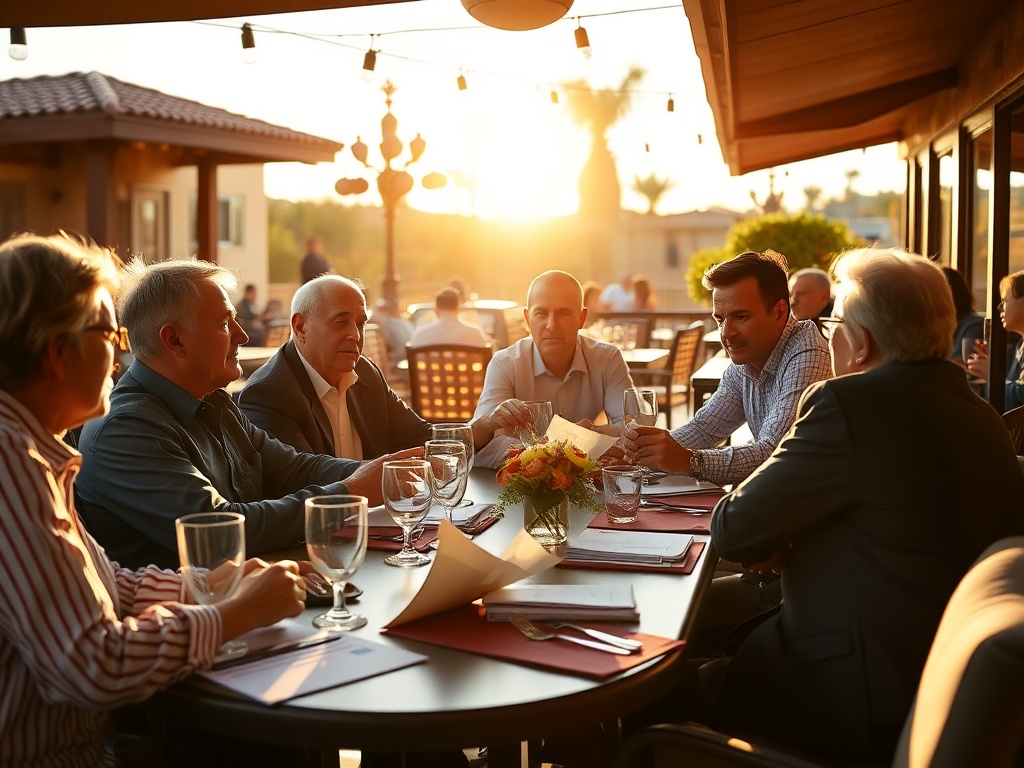
Scottsdale business leaders warn rising summer power costs could squeeze restaurants and hotels ahead of Memorial Day

Scottsdale business leaders warned this week that rising electricity costs ahead of the summer season could squeeze operating margins for restaurants, hotels and other hospitality businesses in the city. According to industry officials, higher utility bills driven by increased air-conditioning demand may strain businesses relying on early-summer tourism and Memorial Day traffic to boost revenues.
Scottsdale’s hospitality sector faces mounting pressure as rising electricity costs coincide with the onset of the summer season, industry officials said. The increase in utility bills, driven largely by higher air-conditioning demand in the desert climate, threatens to squeeze operating margins for hotels, restaurants, and other tourism-related businesses just as they prepare for Memorial Day and early-summer visitor traffic.
“Data from the Arizona Public Service Company show that typical summer electricity rates in the region have increased by approximately 10% compared to last year, reflecting both higher base charges and peak-demand surcharges.”
Local business leaders, including representatives from the Scottsdale Area Chamber of Commerce and the Scottsdale Hospitality Association, have voiced concern that the elevated power expenses could limit the ability of operators to offer competitive pricing or expand staffing during a critical revenue period. “Air-conditioning accounts for a significant portion of our monthly expenses, especially as temperatures climb,” said Mark Jensen, general manager of a downtown Scottsdale hotel. “With utility rates rising, it’s becoming harder to maintain our usual service levels without passing costs on to guests.”
Data from the Arizona Public Service Company show that typical summer electricity rates in the region have increased by approximately 10% compared to last year, reflecting both higher base charges and peak-demand surcharges. Scottsdale’s hot climate means hotels rely heavily on cooling systems, pool operations, and laundry services, while restaurants face increased costs from refrigeration, kitchen equipment, and climate-controlled outdoor dining areas, according to industry sources.
Scottsdale’s tourism economy is highly sensitive to seasonal fluctuations. City tourism reports indicate that hotel occupancy rates peaked near 71% in 2019 but tend to decline sharply in the summer months when temperatures regularly exceed 100 degrees Fahrenheit. To attract visitors during the hotter season, many hotels offer significant discounts; some five-star properties have reduced room rates by as much as 60%, according to recent market analyses. These discounts, coupled with rising operational expenses, create a challenging environment for hospitality businesses.
“The summer heat already suppresses demand, so when operating costs rise, it limits our flexibility to offer promotions or maintain staffing,” said Angela Ramirez, owner of a Scottsdale restaurant specializing in outdoor dining. She noted that higher utility costs could force some operators to reduce hours or delay hiring, potentially impacting service quality during a period when tourist spending is expected to increase.
Industry commentary at the national level echoes these challenges. Hospitality analysts caution that hotels are increasingly attempting to monetize ancillary services to offset rising costs, but consumer resistance to added fees is growing. This dynamic is particularly relevant in Scottsdale, where summer rate sensitivity is heightened by extreme heat and competitive regional travel pricing.
A 2025 travel-cost study reported that total vacation expenses in the Phoenix metropolitan area, which includes Scottsdale, have risen by nearly 24% since 2019. The study estimated that a four-night family trip to Phoenix now costs approximately $4,742, though the area remains more affordable than several other major U.S. destinations. Despite this relative affordability, the upward trend in travel costs adds pressure on local hospitality providers already contending with increased utility bills.
City officials and tourism marketers continue to promote Scottsdale as a year-round destination, emphasizing luxury spas, golf, and Sonoran Desert scenery. The city’s 2026 summer tourism campaign includes targeted travel deals aimed at offsetting seasonal demand challenges. Scottsdale’s tourism office confirmed ongoing investments in destination promotion, underscoring the importance of maintaining visitor interest despite operational cost headwinds.
Scottsdale’s business community is monitoring utility rate changes closely. According to a recent report from the city’s economic development department, the combination of rising energy costs and seasonal demand softness could lead to tighter profit margins and operational adjustments in the hospitality sector. Local utility providers have noted that peak-demand periods typically begin in late May, aligning with Memorial Day weekend, which further exacerbates cost pressures for cooling-intensive businesses.
As Scottsdale approaches the summer season, hotel and restaurant operators face a complex balancing act: managing rising electricity expenses while remaining competitive in a market where consumers are sensitive to price increases and service changes. The interplay between utility inflation and seasonal tourism demand will likely shape business strategies and staffing decisions in the coming months.


Comments are closed.